
Classic Car News, Tips & Restoration Stories
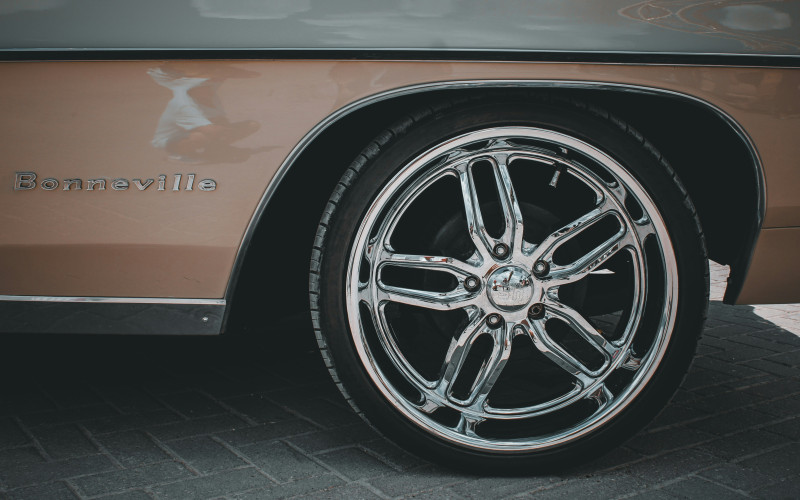
Big rims on cars can transform a classic from a charming relic into a head-turning showpiece. They also change how the car rides, steers, and holds its value. Before you spend money on a new set, you should understand exactly what bigger wheels do to a vintage machine.
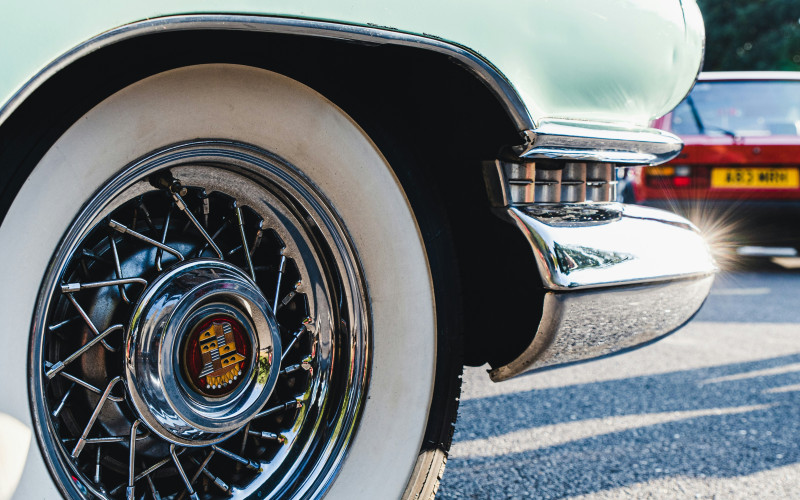
Owning a classic car means balancing two things at once: preserving its character and keeping it genuinely safe to drive. Nowhere does that balance matter more than with your braking system. A vintage engine rebuild or a fresh coat of paint might turn heads at a car show, but worn brakes can turn a Sunday drive into a real emergency.
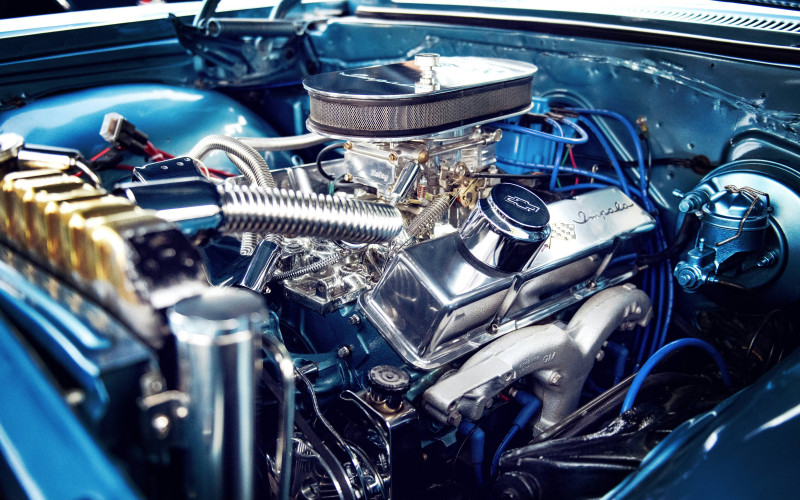
If you own a classic car, you already know that engine oil is the lifeblood of a vintage powertrain. Older engines tend to run tighter tolerances in some areas and looser ones in others, which means oil does more than lubricate. It cushions worn components, carries away heat, and protects metal surfaces that have seen decades of use. Knowing how to check engine oil the right way can be the difference between a weekend cruise and a costly rebuild.
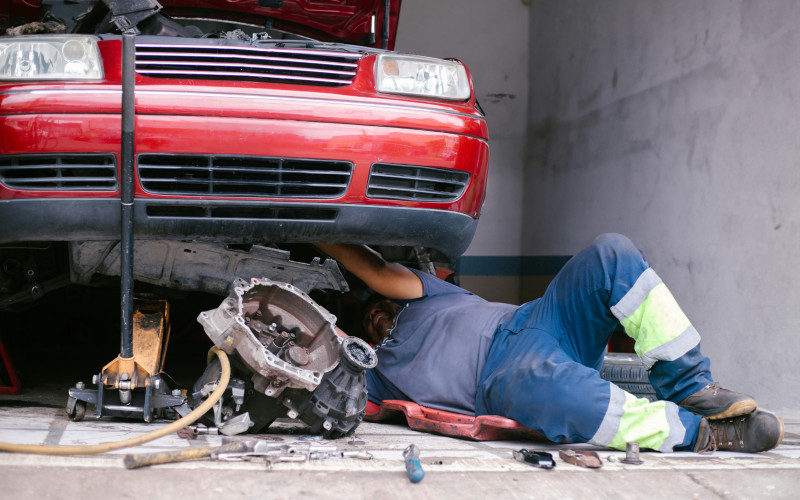
Whether you own a classic muscle car, a daily driver, or a weekend project vehicle, knowing how to use a jack for a car is an essential skill. A car jack allows you to safely lift your vehicle for tire changes, brake inspections, suspension work, and many other maintenance tasks. However, lifting a vehicle incorrectly can lead to serious damage or injuries.
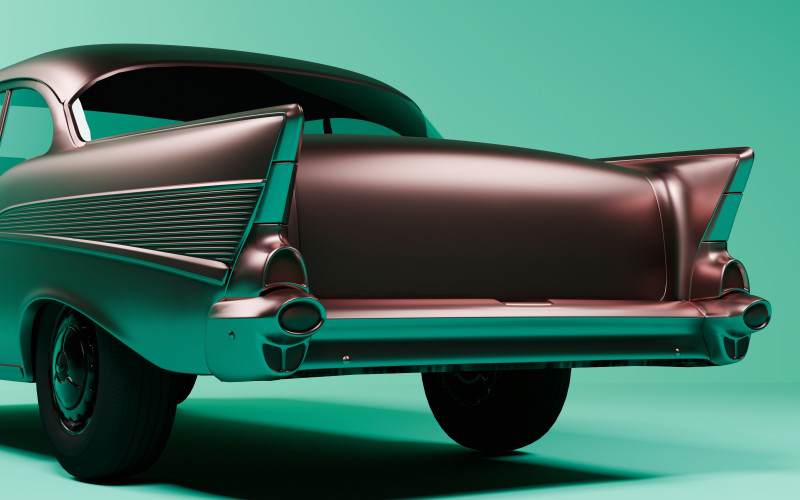
Classic cars turn heads for a reason. Their paint, chrome, leather, and original trim capture the design and craftsmanship of another era. However, sunlight can quietly destroy those details over time. UV rays fade paint, dry out leather, crack dashboards, and weaken vinyl interiors. If you want your investment to stay beautiful and valuable, you need a smart plan for long-term protection.
