Classic Car News, Tips & Restoration Stories
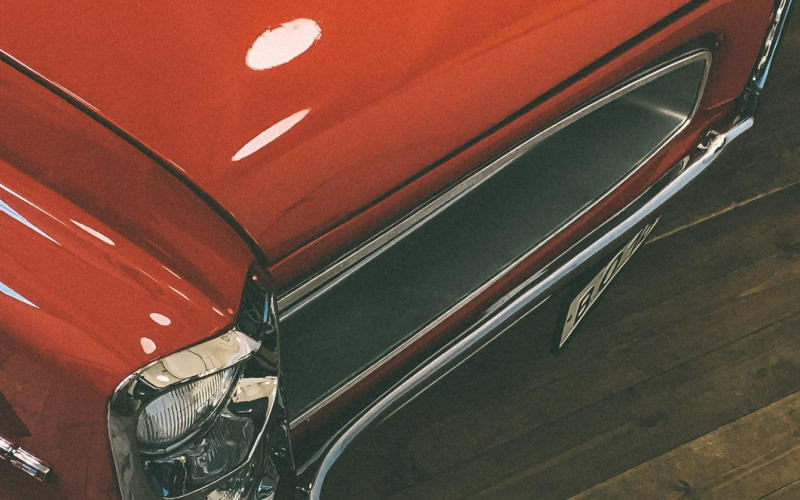
Classic car enthusiasts often search for the most thorough and precise way to rebuild their vehicles. Among all available methods, rotisserie restoration stands out as the gold standard. It delivers unmatched access, accuracy, and long-term value. If you’ve ever wondered why professionals rely on this approach, this guide breaks it down in clear, practical terms.
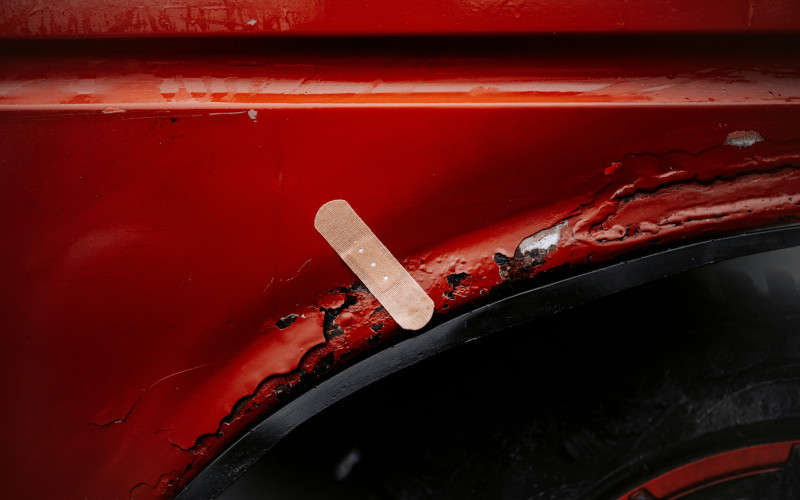
Classic cars require careful attention, especially after an accident or unexpected impact. When a vehicle suffers car accident body damage, clear documentation helps restoration specialists understand the condition of the vehicle and determine the correct repair strategy. If you own a vintage car and notice accident body damage, the way you describe the issue can affect the accuracy of a repair estimate and the success of the restoration process.
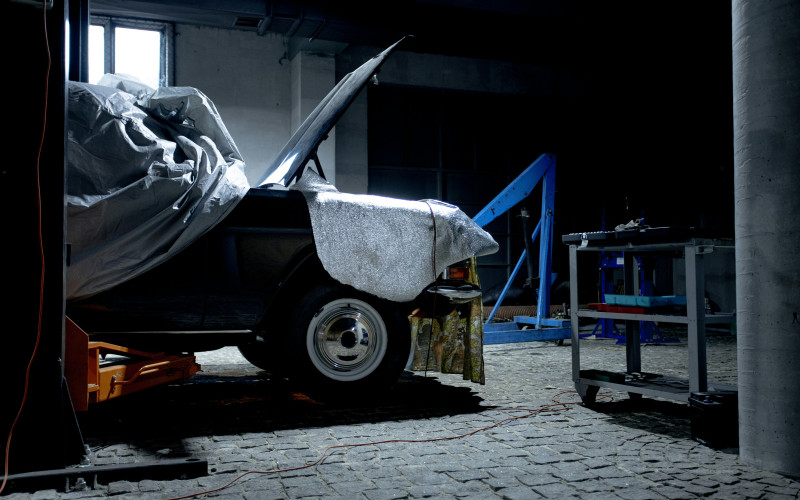
When you schedule an auto body repair appointment, preparation matters. Proper planning protects your vehicle, saves time at the shop, and helps your technician deliver better results. This is especially true for classic cars. Older vehicles often include rare trim pieces, discontinued parts, and custom finishes that require careful handling.
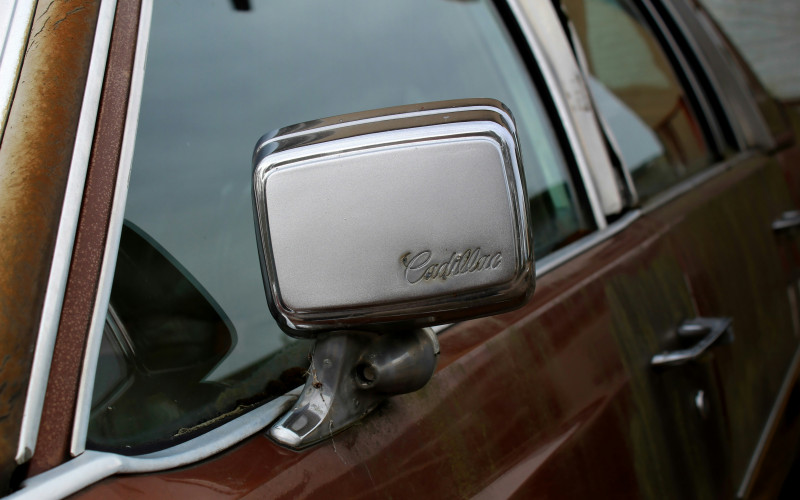
Old‑school styling only looks good if you can actually see what’s happening around you. Properly chosen and positioned old car mirrors do more than fill a bit of chrome on the door—they directly affect your safety, your car’s originality, and how confident you feel driving it every day.

Classic cars deserve more than just ordinary repairs—they require precision, craftsmanship, and a deep respect for their original design. Whether your vehicle has a small dent, aging paint, or collision damage, car body damage repair is essential to preserving its beauty, structure, and value.
