10 Auto Body Repair Techniques for Your Damaged Classic Car
Classic cars deserve more than just ordinary repairs—they require precision, craftsmanship, and a deep respect for their original design. Whether your vehicle has a small dent, aging paint, or collision damage, car body damage repair is essential to preserving its beauty, structure, and value.
At D&C Classic Garage, we specialize exclusively in classic car restoration and body repair in Sparks, NV, using expert techniques that honor the authenticity of each vehicle.
Below, you’ll find the most trusted methods professionals use to restore a classic car’s look and integrity—so if you’ve ever wondered how to repair car body damage on a vintage model, this guide will walk you through the right way to do it.
Understanding Car Body Damage Types
Before the damage to your classic car can be repaired, you must first understand the type of damage you’re working with. Every impact or sign of wear requires a unique approach and specialized tools suited for older materials and manufacturing methods. Common categories of damage in classic car body repair include:
- Surface damage: minor scratches, paint scuffs, or light dents that affect vintage finishes but not structural integrity.
- Panel dents: deeper depressions caused by small impacts, transport mishaps, or long-term storage pressure.
- Structural damage: bent frames or weakened support components that compromise alignment and driving stability.
- Corrosion and rust: deterioration from moisture, road salt, or aged paint layers—a frequent issue in older vehicles.
Each of these issues requires careful, period-correct car damage repair methods to ensure the vehicle not only looks authentic again but also drives safely and retains its collector value.
Paintless Dent Repair (PDR)
One of the most efficient and cost-effective methods for fixing minor dents is paintless dent repair. Professionals use special rods, picks, and pulleys to massage the dented metal back into its original shape from behind the panel—without disturbing the car’s factory finish.
Advantages of PDR:
- Preserves the original paint, which maintains your car’s integrity.
- Faster and more affordable than traditional dent repair.
- Ideal for hail damage, parking dents, and small creases.
Paintless dent repair works best when the paint is still intact and there’s no deep scratching. It’s a particularly smart choice when deciding how to repair car body damage quickly without repainting.
Traditional Dent Repair and Panel Reshaping
For deeper dents or more complex damage that scratch or crack the paint, traditional dent repair still offers the most reliable results. Technicians begin by sanding down the affected area, removing damaged paint, then pulling the dent outward using suction cups, slide hammers, or stud welders.
Once the surface is reshaped, the area is smoothed, primed, and repainted to match the rest of the vehicle. This method of car body damage repair is more labor-intensive but restores the original panel strength and visual appeal perfectly.
Recommended when:
- The dent involves cracked paint or exposed metal.
- Damage cannot be reached from behind the panel.
- You plan a complete repaint for part of the vehicle.
While traditional repairs require more time, the final outcome can be flawless when handled by a seasoned technician.
Auto Body Filler Application
When the panel surface includes deep gouges or uneven metal, auto body filler offers a practical solution. After cleaning and prepping the area, professionals mix and apply a polyester-based filler to rebuild the car’s lost shape.
Once hardened, the filler is sanded, primed, and painted, blending seamlessly with the untouched portions. It’s a classic technique for car damage repair when minor dents or collision impacts need a smooth, fully restored look.
Benefits:
- Restores severely uneven surfaces.
- Reliable for larger imperfections.
- Can be shaped precisely to manufacturer contours.
High-quality filler and professional blending ensure durability and prevent cracking or shrinking over time.
Frame Straightening and Structural Repairs
More serious accidents often cause structural damage—bent frames or misaligned chassis components that affect how your car drives and absorbs impact. Specialized frame straightening machines use computerized measuring systems and hydraulic force to return the car’s structure to its original factory specifications.
During this process, the technician identifies stress points and carefully pulls the frame back into alignment. These mechanical corrections are critical for both safety and performance.
Signs your frame may need repair:
- Uneven tire wear.
- Misaligned doors or gaps between panels.
- Difficulty steering in a straight line.
- Visible bend or twist in the vehicle body.
Frame straightening might not be visible from the outside, but it’s one of the most crucial steps in comprehensive car body damage repair following an accident.
Paint Matching and Refinishing
Anytime your vintage car requires sanding or filler work, repainting plays a key role in the aesthetic restoration. Paint technicians rely on specialized color-matching software and mixing systems to achieve a seamless finish that blends perfectly with the original paint coat.
The painting process typically includes:
- Surface preparation: cleaning, sanding, and masking off surrounding areas.
- Primer application: creating a smooth, adhesive base.
- Base coat: matching the vehicle’s color precisely.
- Clear coat finishing: adding gloss and protection against sun fade, oxidation, and weather damage.
At D&C Classic Garage, we specialize in precision paint matching and high-quality refinishing for your classic car in Sparks, NV. Our skilled technicians use premium materials and advanced spray booth technology to ensure a long-lasting, factory-level finish.
Proper refinishing not only restores your classic car’s appearance but also shields it from corrosion, ensuring the results of your car damage repair stay protected and beautiful for years to come. After painting, proper care - such as gentle cleaning and avoiding waxing until the paint cures - helps maintain the finish and extend its life.
Panel Replacement
When a panel is damaged beyond repair—say, a crushed fender or severely corroded door—replacement is often the only practical solution. Technicians remove the damaged panel, prepare the mounting area, align the new one, and paint it to match your car’s body.
This method saves time compared to attempting to restore warped or rusted panels and ensures factory-level precision after repainting. It’s commonly used in major collision repairs from side or rear impacts.
Bumper Repair and Replacement
On a classic car, the bumper isn’t just a protective barrier—it’s a key design element that defines the vehicle’s character. Unlike modern bumpers made from plastic, classic models typically feature solid chrome-plated steel or heavy metals that require careful restoration techniques.
Depending on the extent of the damage, the repair process may include:
- Minor scratches or scuffs: polished and re-chromed to restore the original shine.
- Small dents: straightened, smoothed, and refinished to maintain factory contours.
- Severe damage or corrosion: complete restoration or fabrication of a replacement bumper that matches the original style and fit.
Proper car body damage repair for classic bumpers demands a combination of metalworking skill, precision alignment, and authentic finishing techniques to preserve both safety and authenticity.
Rust Repair and Corrosion Removal
Rust spreads quickly and weakens metal if ignored. The best approach includes grinding out the corroded area, cutting off affected portions if needed, applying rust inhibitors, and then refinishing the surface.
Some garages even use sandblasting or chemical rust removal treatments before sealing the metal. After this, the area is primed, painted, and clear-coated to prevent further exposure to moisture or salt. Maintaining a clean, waxed exterior helps extend the life of your car damage repair efforts in rust-prone climates.
Metal and Fiberglass Repair for Classic Cars
Unlike modern cars that rely heavily on plastic components, most classic vehicles feature bumpers, body panels, and trim pieces made from metal or fiberglass. When these parts crack, warp, or split, specialized restoration methods are used to reshape and restore them to their original condition.
For fiberglass components, such as those found on certain vintage Corvettes or custom builds, technicians use resin-based repair and reinforcement techniques. They layer new fiberglass matting, cure it, and then sand it smooth before refinishing the surface.
For metal components, skilled craftsmen may heat, reshape, and weld damaged sections, then grind and smooth the surface for painting or chrome plating.
These time-tested methods ensure structural integrity, preserve authenticity, and deliver a seamless finish - key goals in any classic car body damage repair project.
Glass and Windshield Repair
Chips and cracks in auto glass worsen over time and compromise visibility and safety. Professional windshield repair involves injecting resin into the crack, sealing it under pressure, and curing it with UV light.
If the damage spreads near the driver’s line of vision or reaches the edges, full replacement becomes necessary. Restoring glass is another essential step of complete car damage repair, maintaining both appearance and structural safety.
D&C Classic Garage - Restoration & Repair Service
At D&C Classic Garage, we specialize exclusively in classic car restoration and body repair in Sparks, NV, combining decades of craftsmanship with advanced restoration techniques. Our team is passionate about preserving the history and performance of vintage vehicles.
If your car has dents, scratches, or collision damage, don’t wait for it to get worse. Bring it to us for expert car body damage repair and professional finishing. Our skilled technicians will inspect it, walk you through a personalized plan, and restore your vehicle’s value and appearance with proper care.
Call us today at (775) 420-5553 or schedule an appointment online to get your car back to its best shape - because you deserve to drive something that looks as good as it performs.
FREQUENTLY ASKED QUESTIONS
How long does car body repair take?
Paintless dent repairs often take less than a day. More extensive car damage repair involving paintwork or frame alignment may take several days to a week or longer.
Does insurance cover body damage repair?
Yes, if you carry comprehensive or collision coverage. You’ll pay only the deductible, and the insurance company handles the rest depending on fault and policy terms. A prior-to-loss or diminished value appraisal may be necessary if the insurance isn’t offering a fair settlement.
Can I drive with body damage?
It depends on severity. Cosmetic damage alone is fine short-term, but structural damage, broken lights, or sharp edges are unsafe and illegal in most states.
How can I prevent future car body damage?
Regular washing and waxing protect against salt and rust. Parking farther from high-traffic spots, installing paint protection film, and maintaining a safe driving distance and driving defensively may also reduce risk.
RELATED POSTS
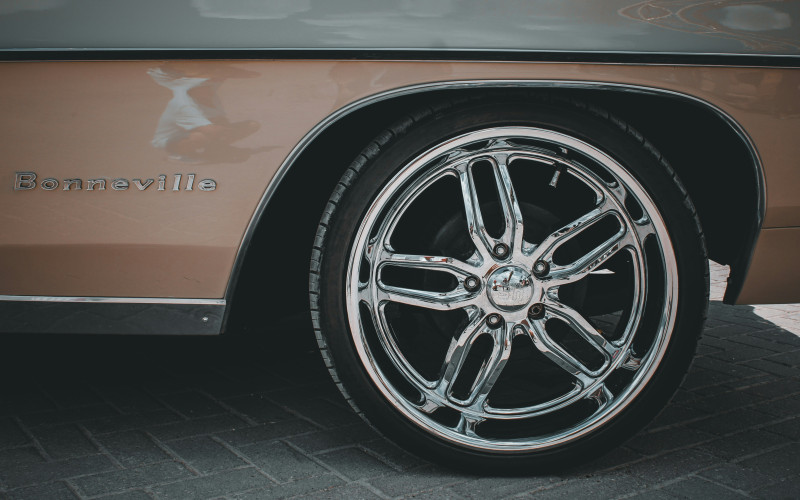
Big rims on cars can transform a classic from a charming relic into a head-turning showpiece. They also change how the car rides, steers, and holds its value. Before you spend money on a new set, you should understand exactly what bigger wheels do to a vintage machine.
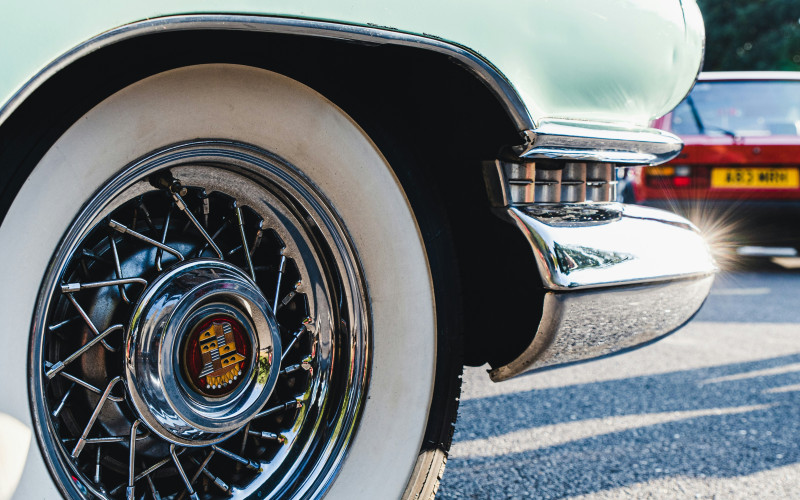
Owning a classic car means balancing two things at once: preserving its character and keeping it genuinely safe to drive. Nowhere does that balance matter more than with your braking system. A vintage engine rebuild or a fresh coat of paint might turn heads at a car show, but worn brakes can turn a Sunday drive into a real emergency.
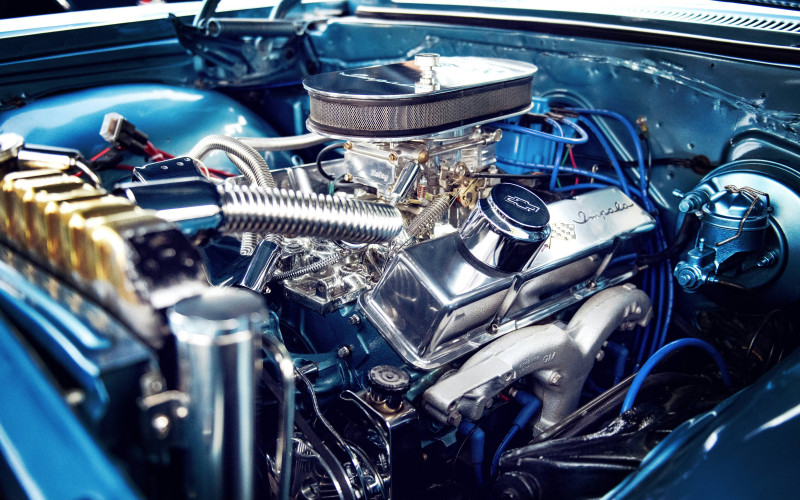
If you own a classic car, you already know that engine oil is the lifeblood of a vintage powertrain. Older engines tend to run tighter tolerances in some areas and looser ones in others, which means oil does more than lubricate. It cushions worn components, carries away heat, and protects metal surfaces that have seen decades of use. Knowing how to check engine oil the right way can be the difference between a weekend cruise and a costly rebuild.
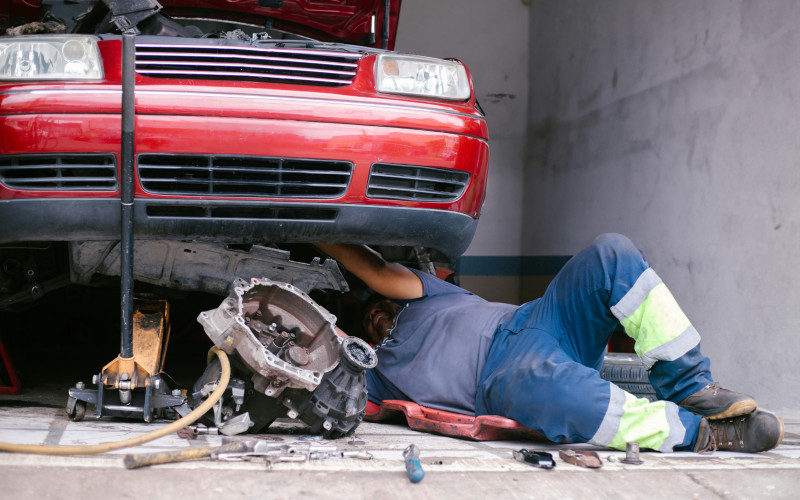
Whether you own a classic muscle car, a daily driver, or a weekend project vehicle, knowing how to use a jack for a car is an essential skill. A car jack allows you to safely lift your vehicle for tire changes, brake inspections, suspension work, and many other maintenance tasks. However, lifting a vehicle incorrectly can lead to serious damage or injuries.
