
Classic Auto Mirrors for Any Classic Car: How to Choose?
Old‑school styling only looks good if you can actually see what’s happening around you. Properly chosen and positioned old car mirrors do more than fill a bit of chrome on the door—they directly affect your safety, your car’s originality, and how confident you feel driving it every day.
Why Mirrors Matter on Classics
On many classics, mirrors came small, minimal, or even only on one side from the factory, which limits rear visibility by modern standards. Today’s traffic moves faster and packs closer together, so well‑set classic auto mirrors help you change lanes, merge, and park with far more confidence.
Beyond safety, car mirrors form part of the car’s styling language, tying in with chrome lines, body contours, and period‑correct details. The right mirror setup keeps you legal, enhances usability, and still respects the character of your classic.
Legal and Safety Basics for Classic Mirrors
Every US state, including Nevada, requires at least one functional rearview mirror, and many require an outside driver’s mirror that provides a clear view at least 200 feet behind the vehicle. If your interior mirror or side mirror is cracked, loose, or badly tarnished, you can be ticketed by law enforcement (NRS 484D.430).
Federal standards for rearview mirrors focus on field of view, mounting, and adjustability so the driver can tilt the mirror from the normal seated position. This means some period features—like far‑forward fender mirrors that require reaching out—can conflict with modern regulations if used as your primary mirror.
Choosing the Right Type of Mirror
When updating or replacing old car mirrors, you need to balance authenticity, visibility, and compliance. There are different types of mirrors you’ll see on classic cars.
- Door‑mounted vintage auto mirrors: The most common choice; they offer good sightlines, straightforward adjustment, and plenty of reproduction options for muscle cars, trucks, and cruisers.
- Fender‑mounted: Iconic on many 50s and 60s imports, but harder to adjust from the driver’s seat and often provides a limited view by modern standards.
- Clamp‑on or “peep” mirrors: Popular for hot rods and customs; they clamp to the door edge or frame to avoid drilling, which helps protect original sheet metal.
For a driver‑focused restoration, owners often choose a period‑correct style with a slightly larger glass surface to reduce blind spots without ruining the look.
Condition Check: When to Restore vs Replace
Before ordering new old car mirrors, inspect what you already have. Many original units clean up and function like new with careful work.
- Restore if: Chrome only shows light pitting, the housing is straight, and the glass has minor haze that improves with backing repair or replacement.
- Replace if: The reflective coating is heavily peeled, the housing is cracked or bent, or the mounting base no longer sits flat and secure on the body.
When possible, keep factory‑stamped classic auto mirrors and refurbish them, especially on rare or highly collectible models. Quality reproduction units make sense for daily driving when originals are missing, unsafe, or expensive to save.
Mounting Location and Visibility
Correct placement makes the difference between decorative vintage car mirrors and mirrors you actually use every time you drive.
- Driver’s side: Place the mirror so you see only a sliver of your car’s side when seated normally; this widens the view of adjacent lanes and cuts blind spots.
- Passenger side: Adjust so you can barely see the car’s side from a slight lean toward the center, again maximizing road coverage.
On custom builds with peep or clamp‑on old car mirrors, test‑fit the mirror with tape first and sit in the driver’s seat to confirm you can see down the lane, not just your own quarter panel. Aim for a stable mounting surface with minimal vibration, especially on doors that shut firmly or tend to flex.
Installation Tips for Classic Mirrors
Good installation prevents rattles, vibration, and stress cracks in older sheet metal. It also keeps your classic auto mirrors aligned for the long term.
- Use templates: Factory or aftermarket templates help locate mounting holes correctly and keep both sides symmetrical.
- Reinforce thin metal: Where possible, use backing plates or nutserts rather than sheet‑metal screws alone, which can loosen over time on old car mirrors.
- Protect paint: Mask the area before drilling and use rust‑inhibiting primer in the holes to avoid corrosion around bases.
After installation, adjust from the driver’s seat, then take a short test drive and check for vibration or movement. Tighten hardware again after a few miles once everything has settled.
Restoring Original Mirror Glass and Housings
If your original vintage car mirrors show hazy glass or deteriorated backing, you can often rescue them instead of hunting for rare replacements.
- Glass repair: Carefully remove the mirror from the housing, strip the failing black backing, and repaint the rear with a thin, even coat of flat black to restore appearance.
- Housing restoration: Clean metal housings, remove light corrosion, and polish chrome or stainless; deep pitting may require re‑plating by a specialist familiar with classic parts.
Reassemble the mirror with care to avoid scratching the freshly restored surface. Adding a thin protective tape layer behind the glass can shield it from spring pressure and minor contact during assembly.
Balancing Originality with Modern Safety
Many owners hesitate to change vintage car mirrors because they want an authentic look. The good news: you can usually respect both originality and road safety.
- Subtle upgrades: Slightly larger mirror heads or convex passenger‑side glass improve field of view without shouting “modern replacement.”
- Reversible choices: Clamp‑on or peep old car mirrors let you gain a second mirror or better angle without drilling rare sheet metal.
If your build leans toward concours judging, focus on restoring factory units and ensuring they’re solid, clear, and correctly adjusted. For a driver or restomod, prioritize function first, then choose styles that nod to the period.
How to Care for and Maintain Classic Mirrors
Regular care keeps auto mirrors clear and prevents small issues from turning into expensive repairs.
- Cleaning: Use glass cleaner and a soft microfiber; avoid harsh abrasives that scratch older glass and delicate coatings on vintage car mirrors.
- Hardware checks: Periodically verify that mounting screws and nuts remain tight and that the mirror doesn’t sag, wobble, or drift out of position.
Address tarnishing or peeling backing early, since moisture intrusion tends to accelerate once the coating fails. If a mirror starts to vibrate at speed, inspect for loose hardware or fatigued mounting points before the problem damages surrounding metal.
Ready to Upgrade Your Classic Cars’ Mirrors?
If your old car mirrors feel dated, unsafe, or just don’t match the quality of the rest of your build, it’s time to get expert help. At D&C Classic Garage, our team in Sparks, NV, specializes in classic‑only restoration, from sourcing period‑correct classic auto mirrors to installing subtle upgrades that improve safety without ruining your car’s original character.
Whether you need a single vintage car mirror replaced, a matched pair installed, or mirror mounting repaired during a larger body or paint project, we treat every vehicle with the same level of precision and respect. Contact D&C Classic Garage today at (775) 420-5553 to discuss your classic’s mirror setup, schedule an inspection, or start planning a complete restoration that looks right and drives even better.
FREQUENTLY ASKED QUESTIONS
Can I keep fender‑mounted mirrors on my vintage car?
You can usually keep factory vintage car mirrors mounted on fenders, but they may not meet modern adjustability expectations for primary use. Many owners keep them for style and add a discreet door mirror for practical daily visibility.
What’s the best way to avoid drilling into original metal?
Clamp‑on or peep old car mirrors attach to the door edge or window frame and preserve uncut panels. Test fit carefully from the driver’s seat to ensure you get a usable view, not just a decorative piece.
Can I restore badly faded mirror glass, or do I need new mirrors?
If the glass remains intact and only the backing has failed, you can strip the old backing and repaint it to restore appearance. When the reflective layer has peeled extensively or the glass is cracked, replacement becomes the more reliable and safer option.
How often should I check my mirror adjustments on a classic?
Recheck alignment whenever someone else drives the car, after door or glass work, or if you notice new blind spots or vibration. Classic vehicles flex more than modern ones, so periodic checks keep classic auto mirrors effective and safe.
RELATED POSTS
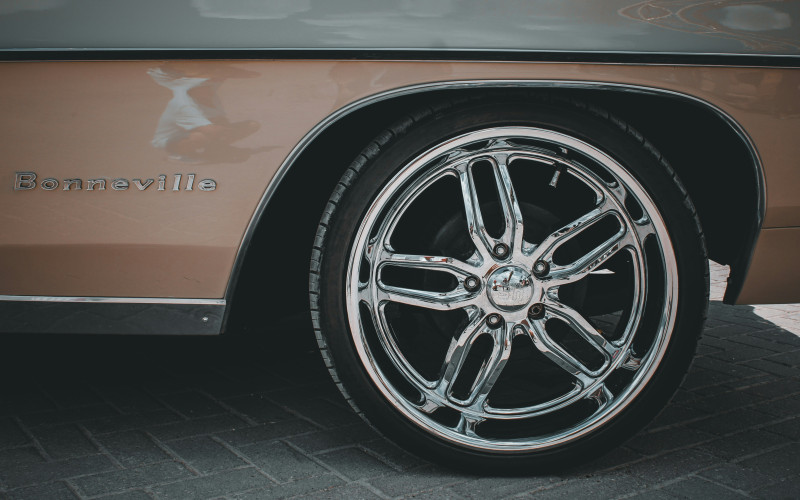
Big rims on cars can transform a classic from a charming relic into a head-turning showpiece. They also change how the car rides, steers, and holds its value. Before you spend money on a new set, you should understand exactly what bigger wheels do to a vintage machine.
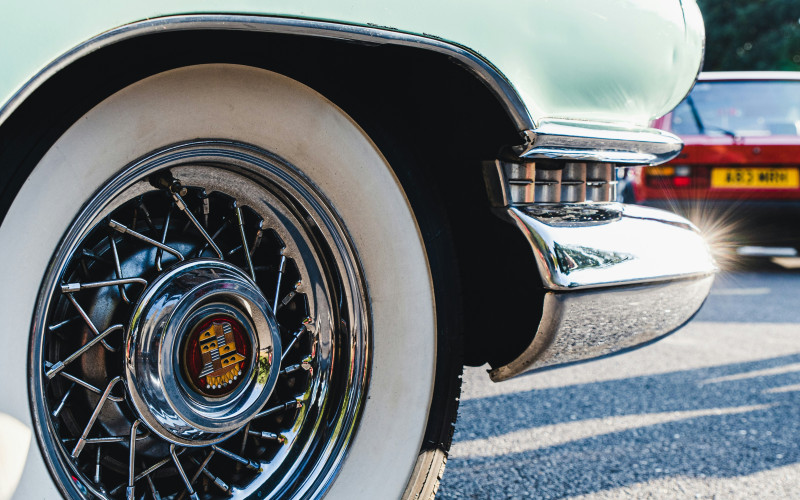
Owning a classic car means balancing two things at once: preserving its character and keeping it genuinely safe to drive. Nowhere does that balance matter more than with your braking system. A vintage engine rebuild or a fresh coat of paint might turn heads at a car show, but worn brakes can turn a Sunday drive into a real emergency.
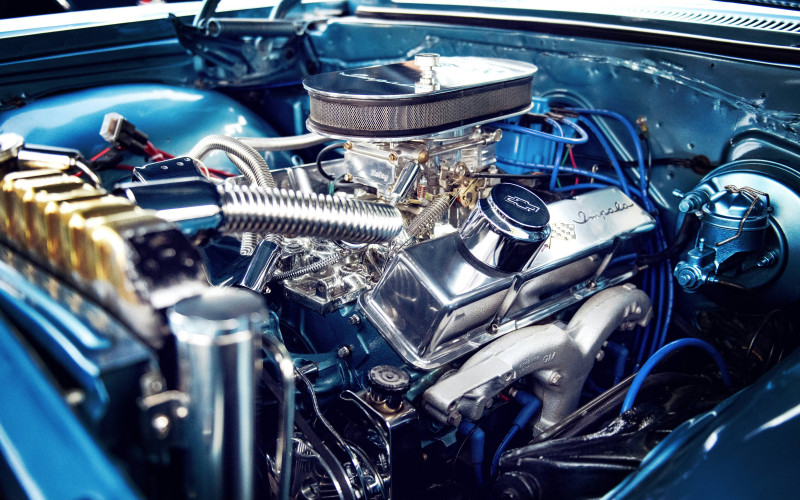
If you own a classic car, you already know that engine oil is the lifeblood of a vintage powertrain. Older engines tend to run tighter tolerances in some areas and looser ones in others, which means oil does more than lubricate. It cushions worn components, carries away heat, and protects metal surfaces that have seen decades of use. Knowing how to check engine oil the right way can be the difference between a weekend cruise and a costly rebuild.
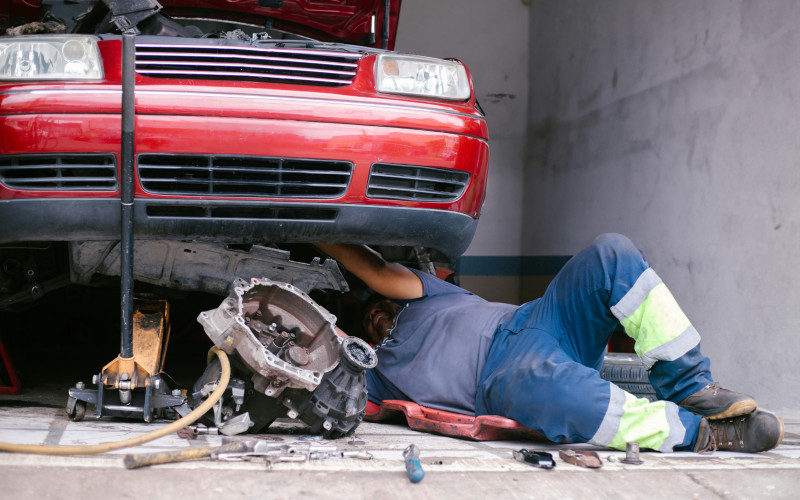
Whether you own a classic muscle car, a daily driver, or a weekend project vehicle, knowing how to use a jack for a car is an essential skill. A car jack allows you to safely lift your vehicle for tire changes, brake inspections, suspension work, and many other maintenance tasks. However, lifting a vehicle incorrectly can lead to serious damage or injuries.
