Advantages and Disadvantages of Bigger Rims on Classic Cars
Big rims on cars can transform a classic from a charming relic into a head-turning showpiece. They also change how the car rides, steers, and holds its value. Before you spend money on a new set, you should understand exactly what bigger wheels do to a vintage machine. At D&C Classic Garage, we fit wheels on classic cars every week, so we walk you through the pros and cons of bigger rims to help you decide which choice suits your car best.
The Short Answer
Bigger rims improve a classic car's stance, cornering response, and visual impact, but they often harden the ride, raise costs, and reduce originality. Most owners enjoy the best results when they increase wheel diameter by one or two inches and keep the overall tire height close to stock.
What "Bigger" Really Means on a Classic
When people talk about bigger wheels, they usually mean a larger rim diameter paired with a tire that has a shorter sidewall. A 1967 Mustang that left the factory on 14-inch wheels, for example, might wear 17-inch wheels after a restoration. The tire's outer diameter should stay nearly the same, so the speedometer, gearing, and fender clearance keep working as designed. That detail separates a smart upgrade from an expensive mistake.
Advantages of Bigger Rims on Classic Cars
Stronger Visual Presence
Classic cars from the 1950s through the 1970s often look small on their original wheels by modern standards. Big rims on cars fill the wheel wells, tighten the gap between tire and fender, and give the body a planted, athletic stance. Many owners say the visual change alone justifies the upgrade.
Sharper Handling
A shorter tire sidewall flexes less during cornering. That stiffness gives the driver quicker steering response and a more direct feel through the wheel. Wider rims also support wider tires, which increase the contact patch and improve grip on dry pavement. If you drive your classic on winding back roads, you will notice the difference.
Room for Better Brakes
Many vintage cars rely on small drum brakes that fade quickly under hard use. Larger rims create space for modern disc brake kits, which stop the car faster and more consistently. This benefit often matters more than looks, because it makes a forty-year-old car safer in today's traffic.
Personal Style and Resale Appeal
A well-chosen wheel design lets you express your taste without touching the engine or body. Buyers at shows and auctions often respond well to tasteful restomods, especially when the work looks clean and the car drives better than it did new.
Disadvantages of Bigger Rims on Classic Cars
A Firmer, Noisier Ride
Short sidewalls absorb less of the road. Potholes, expansion joints, and rough asphalt reach the cabin more sharply, and a classic with older suspension bushings already feels every bump. Owners who enjoy relaxed cruising may regret going too big.
Higher Costs
Larger wheels cost more to buy, and the tires cost more to replace. Low-profile tires also wear out faster and cost more to repair when a curb or pothole damages them. You may need an alignment, new suspension components, or fender modifications to complete the job, so the real price often exceeds the wheel quote.
Fitment and Clearance Problems
Classic cars leave little margin for error. Oversized wheels can rub against fender lips, suspension arms, or steering parts, especially during full turns or over bumps. A wheel with the wrong offset or bolt pattern also stresses the bearings and affects steering geometry.
Speedometer and Performance Changes
If the new tire's outer diameter differs from the original, the speedometer reads incorrectly. Heavier wheels add unsprung weight as well, which can dull acceleration and make the suspension work harder. Lightweight forged or flow-formed wheels reduce this problem, but they cost more.
Loss of Originality
Collectors who prize factory-correct vehicles often penalize cars with modern wheels. If you want to compete at concours events or sell to collectors who value originality, bigger rims may cost you at the appraisal. Keeping the original wheels in storage lets you reverse the change later. If you want the rest of the car to match your wheel upgrade, our guide on how to fix car interior upholstery explains how to refresh the cabin without losing the car's vintage character.
How to Choose the Right Size
Start with your goals. If you want:
- a comfortable cruiser, stay within one or two inches of the original diameter;
- a performance-oriented build, you can go larger, provided the suspension, brakes, and fenders support it.
Always match the overall tire diameter to the factory spec, confirm the bolt pattern and offset, and test-fit the wheels before mounting tires. A professional shop can check these details in an afternoon and save you from costly returns.
New wheels often inspire owners to update other visible details too. Our guide on classic auto mirrors and how to choose them explains how to pick a style that suits your car's era and your new look.
About D&C Classic Garage
D&C Classic Garage, serving Sparks, NV, is a US-based shop built for people who love vintage cars and want them done right. Our team understands how older vehicles behave, and we treat every project with the care it deserves. We offer full and partial classic car restoration, wheel and tire fitting, suspension and brake upgrades, custom fabrication, and routine maintenance for vintage vehicles. When customers ask about big rims on cars, we measure clearances, verify fitment, and recommend a setup that matches their driving habits and budget. Whether you want a period-correct finish or a modern restomod, we work with you from the first consultation to the final test drive. Contact us today at (775) 420-5553 to book a consultation. Your classic deserves a second life. We make it happen.
FREQUENTLY ASKED QUESTIONS
Are bigger rims bad for classic cars?
Not necessarily. Bigger rims cause problems only when the size, offset, or tire height does not suit the car. A properly fitted set improves handling and appearance, while a poorly matched set hurts ride quality and can damage suspension parts.
How much bigger should I go on a classic car?
Most experts suggest increasing the diameter by one to three inches. This range keeps the ride acceptable, protects fender clearance, and preserves the car's original proportions.
Do bigger wheels affect the speedometer?
They do when the overall tire diameter changes. A tire and wheel combination that matches the factory outer diameter keeps the speedometer accurate. If you choose a different size, a recalibration or a new speedometer gear fixes the error.
Will bigger rims lower my classic car's value?
They can lower the value for collectors who want factory-correct cars. They often raise or maintain value for restomods and custom builds. Keeping the original wheels lets you return the car to stock when you sell.
Can D&C Classic Garage install bigger wheels on my classic?
Yes. We handle wheel selection, fitment checks, tire mounting, alignment, and any suspension or brake upgrades the new setup requires. Contact us to learn more.
RELATED POSTS
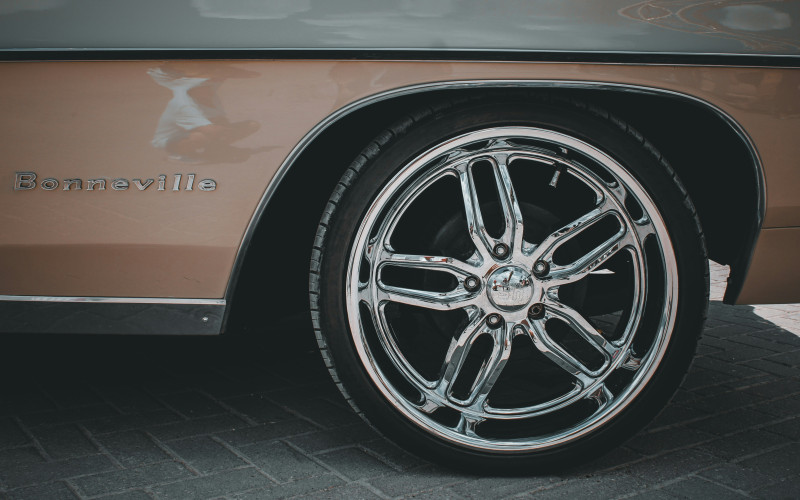
Big rims on cars can transform a classic from a charming relic into a head-turning showpiece. They also change how the car rides, steers, and holds its value. Before you spend money on a new set, you should understand exactly what bigger wheels do to a vintage machine.
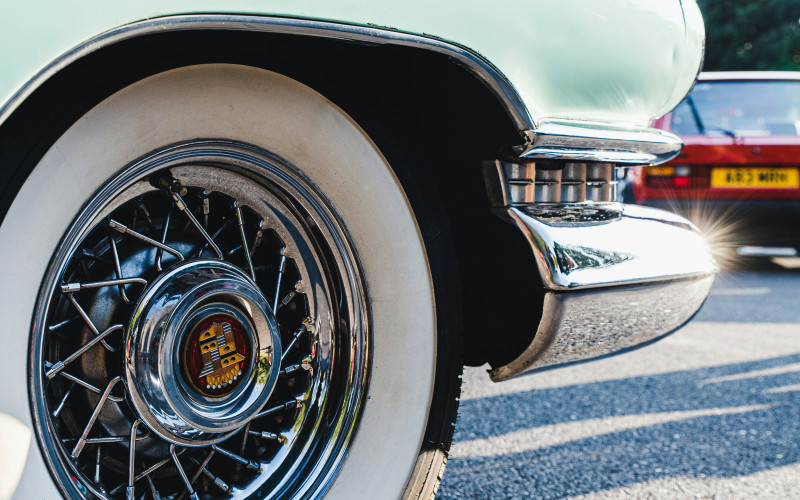
Owning a classic car means balancing two things at once: preserving its character and keeping it genuinely safe to drive. Nowhere does that balance matter more than with your braking system. A vintage engine rebuild or a fresh coat of paint might turn heads at a car show, but worn brakes can turn a Sunday drive into a real emergency.
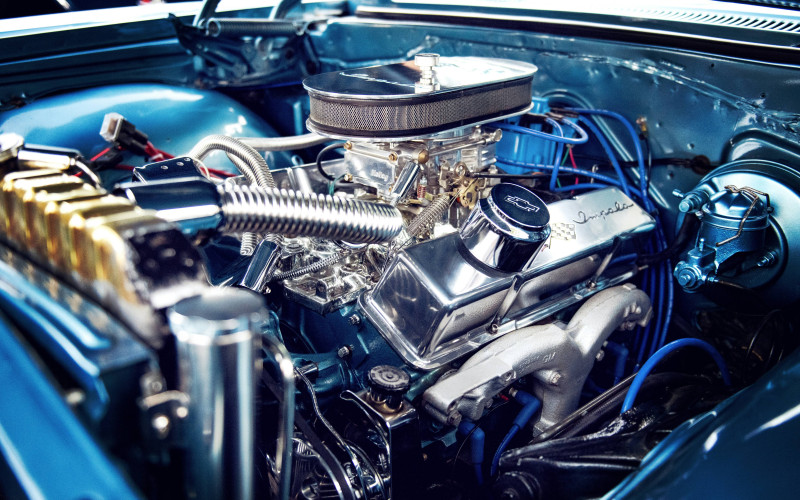
If you own a classic car, you already know that engine oil is the lifeblood of a vintage powertrain. Older engines tend to run tighter tolerances in some areas and looser ones in others, which means oil does more than lubricate. It cushions worn components, carries away heat, and protects metal surfaces that have seen decades of use. Knowing how to check engine oil the right way can be the difference between a weekend cruise and a costly rebuild.
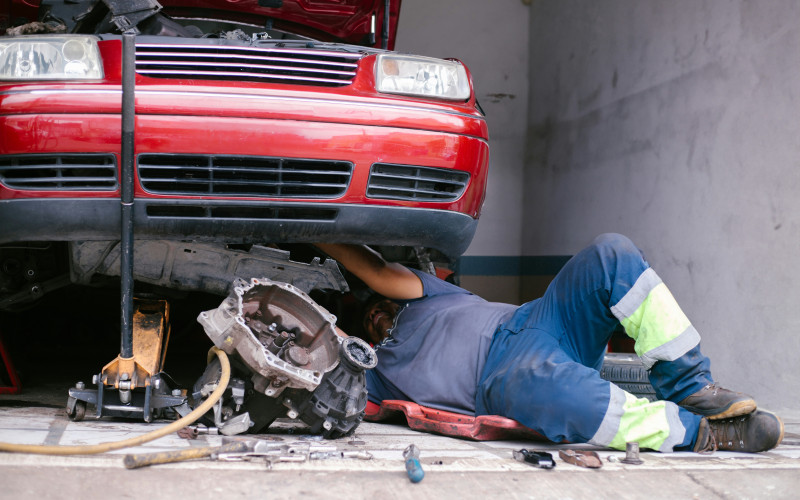
Whether you own a classic muscle car, a daily driver, or a weekend project vehicle, knowing how to use a jack for a car is an essential skill. A car jack allows you to safely lift your vehicle for tire changes, brake inspections, suspension work, and many other maintenance tasks. However, lifting a vehicle incorrectly can lead to serious damage or injuries.
