When to Change Brake Pads on Your Classic Car
Owning a classic car means balancing two things at once: preserving its character and keeping it genuinely safe to drive. Nowhere does that balance matter more than with your braking system. A vintage engine rebuild or a fresh coat of paint might turn heads at a car show, but worn brakes can turn a Sunday drive into a real emergency. Understanding when to change brake pads is one of the simplest ways to protect your investment and everyone who rides in it.
This guide breaks down the warning signs, the timeline, and the process behind brake pad replacement, with a specific focus on the quirks that come with older vehicles.
Why Brake Pads Matter More on Classic Cars
Modern cars rely on advanced sensors and electronic warning systems to alert drivers the moment something feels off. Classic cars rarely offer that luxury. Many vintage models use simpler braking systems, sometimes without the dashboard alerts drivers now take for granted. That means the responsibility falls on you to recognize wear before it becomes dangerous.
The brake pads in car systems do one essential job: they press against the rotor or drum to slow the wheel down through friction. Over time, that friction wears the material away. On a classic car, where original parts, unusual calipers, or discontinued components might be involved, this wear can be harder to spot and trickier to fix without the right expertise.
Signs You Need New Brake Pads
Most drivers notice a handful of consistent warning signs when pads start to wear thin. Pay attention to these signals, especially if your classic car sees infrequent use, since pads can degrade even when a car sits in storage.
- Squealing or Screeching Noises: A high-pitched squeal when you press the brake pedal usually means the wear indicator built into the pad is doing its job. This sound tells you it's time to consider new brake pads before the material wears down completely.
- Grinding Sensation: If squealing turns into a harsh grinding noise, the pad material has likely worn away entirely. At this point, metal is grinding against metal, which can damage your rotors and significantly increase repair costs.
- Longer Stopping Distances: Classic cars often already require more distance to stop compared to modern vehicles with anti-lock systems. If you notice your stopping distance getting even longer, worn brake pads are a likely culprit.
- Vibration or Pulsing Pedal: A pulsing sensation when you brake can indicate warped rotors or uneven pad wear, both of which point toward the need to inspect and possibly replace brake system components.
- Visual Wear: If you can see the brake pad through the wheel spokes, check its thickness. A pad under a quarter inch thick generally needs replacing soon.
- Dashboard or Manual Indicators: Some restored classics have been retrofitted with modern brake wear sensors. If yours has one, treat that warning light as a firm deadline, not a suggestion.
How Often Should You Replace Brake Pads?
There is no single mileage number that applies to every classic car, since driving style, storage conditions, and the specific vehicle all play a role. That said, a general guideline for brake pad replacement falls between 25,000 and 65,000 miles for most vehicles under regular use. Classic cars driven occasionally may go years between replacements based on mileage alone, but time itself causes brake components to degrade.
Rubber seals dry out, brake fluid absorbs moisture, and pad material can harden when a car sits idle for long stretches. For this reason, we at D&C Classic Garage recommend a full brake inspection at least once a year for classic cars, regardless of how many miles were driven. This annual check catches problems mileage alone would miss, and it pairs well with other routine tasks, such as checking your oil or tire pressure.
The Brake Pad Replacement Process
Replacing pads on a classic car differs from a routine job on a modern vehicle in a few important ways. Original brake systems may use different caliper designs, drum brakes instead of discs, or hardware that requires specialized tools to remove safely. A shop unfamiliar with vintage vehicles might force modern parts into place, which can compromise both performance and the car's authenticity. It includes:
- Safely jacking up the car and removing the wheel to inspect the caliper or wheel cylinder
- Assessing rotor or drum condition for scoring, warping, or thinning
- Installing correctly matched pads or shoes for the specific make and model
- Checking brake fluid condition and topping off or bleeding the system as needed
- Test driving the vehicle to confirm proper pedal feel and stopping performance
This last step matters more than it might seem. Classic cars often have a distinct brake feel compared to modern vehicles, and a mechanic experienced with vintage models knows what "normal" should feel like for your specific car.
Trust D&C Classic Garage With Your Brake System
D&C Classic Garage in Sparks, NV, specializes in the care, restoration, and maintenance of classic and vintage automobiles. Our team understands that these cars deserve more than a base service approach. Every vehicle that comes through our doors gets attention from technicians who know the difference between a 1970s drum brake setup and a modern disc system, and who treat original parts with the respect they deserve.
Our services include full brake system inspections, brake pad replacement using correctly sourced or fabricated parts, rotor and drum resurfacing, brake line and fluid service, and complete restoration work for classic vehicles across all eras. We also offer engine tune-ups and general maintenance, rotisserie restorations, wiring harness upgrades, and more for those who want their car looking as good as it drives.
If your classic car is due for a brake inspection or you have noticed any of the warning signs above, reach out to us immediately. We will give you an honest assessment and keep your vehicle safe, reliable, and true to its original character.
FREQUENTLY ASKED QUESTIONS
How do I know if my brake pads need replacing on an older car?
Listen for squealing or grinding noises, watch for longer stopping distances, and check pad thickness visually through the wheel. An annual inspection catches issues that mileage alone will not reveal.
Can I use modern brake pads on a classic car?
In many cases, yes, but the pad compound and fit need to match your specific caliper or drum setup. A shop experienced with classic vehicles can recommend options that preserve both safety and originality.
How much does brake pad replacement cost on a classic car?
Costs vary based on the vehicle, the rarity of parts, and whether rotors or drums also need attention. Classic cars with unique or discontinued components typically cost more than a standard modern vehicle service.
Do brake pads wear out even if the car is not driven often?
Yes. Time, humidity, and storage conditions cause brake components to degrade even without mileage. A yearly inspection is recommended regardless of how often the car hits the road.
What is the difference between brake pads and brake shoes?
Brake pads are used with disc brake systems, while brake shoes are used with drum brakes, which many classic cars still have. Both wear out over time and require periodic replacement.
RELATED POSTS
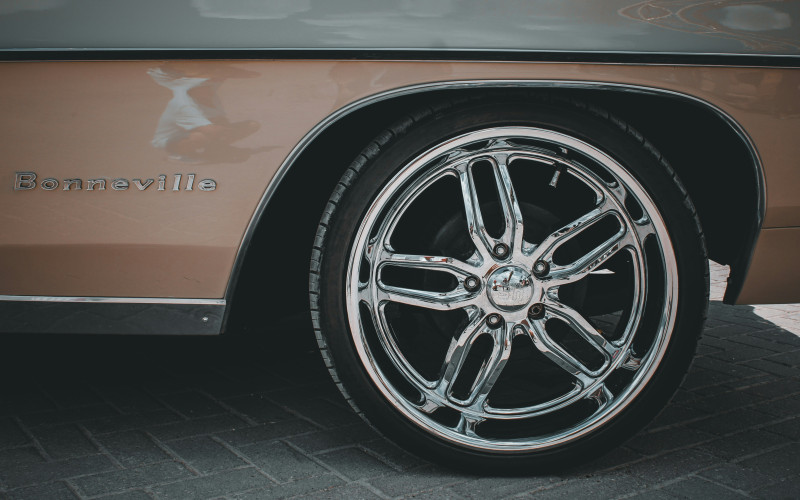
Big rims on cars can transform a classic from a charming relic into a head-turning showpiece. They also change how the car rides, steers, and holds its value. Before you spend money on a new set, you should understand exactly what bigger wheels do to a vintage machine.
Owning a classic car means balancing two things at once: preserving its character and keeping it genuinely safe to drive. Nowhere does that balance matter more than with your braking system. A vintage engine rebuild or a fresh coat of paint might turn heads at a car show, but worn brakes can turn a Sunday drive into a real emergency.
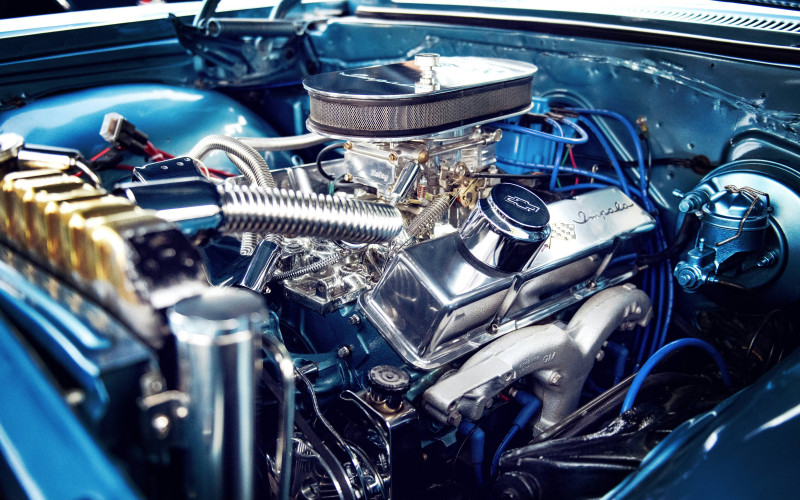
If you own a classic car, you already know that engine oil is the lifeblood of a vintage powertrain. Older engines tend to run tighter tolerances in some areas and looser ones in others, which means oil does more than lubricate. It cushions worn components, carries away heat, and protects metal surfaces that have seen decades of use. Knowing how to check engine oil the right way can be the difference between a weekend cruise and a costly rebuild.
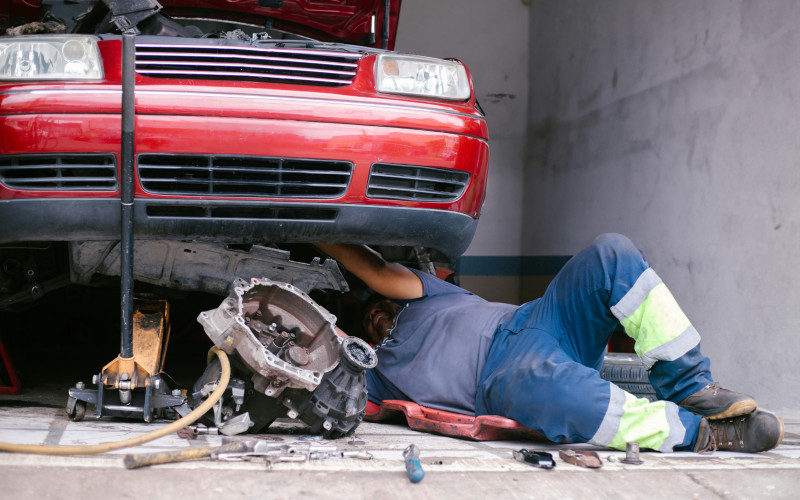
Whether you own a classic muscle car, a daily driver, or a weekend project vehicle, knowing how to use a jack for a car is an essential skill. A car jack allows you to safely lift your vehicle for tire changes, brake inspections, suspension work, and many other maintenance tasks. However, lifting a vehicle incorrectly can lead to serious damage or injuries.
