
How to Use a Jack for Your Car
Whether you own a classic muscle car, a daily driver, or a weekend project vehicle, knowing how to use a jack for a car is an essential skill. A car jack allows you to safely lift your vehicle for tire changes, brake inspections, suspension work, and many other maintenance tasks. However, lifting a vehicle incorrectly can lead to serious damage or injuries.
If you're new to vehicle maintenance or restoring an older car, understanding the right techniques can help you work while protecting both yourself and your vehicle. In this guide, we explain everything you need to know about using a car jack, from choosing the right equipment to following safe lifting procedures.
Why Learning to Use a Car Jack Matters
Many car owners only think about a jack when they get a flat tire. In reality, a quality jack becomes one of the most valuable tools in any garage. Regular maintenance often requires lifting the vehicle, and knowing the correct process helps prevent accidents.
Improper lifting can:
- Damage the vehicle's frame
- Bend suspension components
- Cause the vehicle to slip
- Create serious safety hazards
Learning how to work with a car jack correctly allows you to perform routine maintenance safely and confidently.
Just as important as knowing how to lift your vehicle is knowing when your tires need replacement. Worn or damaged tires can increase the risk of roadside emergencies that require using a car jack.
Types of Car Jacks
Before lifting any vehicle, choose the right type of jack for the job.
Scissor Jack: Most vehicles include a scissor jack in the trunk. Manufacturers design these jacks primarily for emergency tire changes. They are lightweight and portable but require more effort to operate.
Hydraulic Floor Jack: A hydraulic floor jack is the preferred choice for home garages. It offers better stability, lifts vehicles more quickly, and supports higher weight capacities.
Bottle Jack: Bottle jacks work well for trucks, SUVs, and heavier vehicles. Their compact design produces significant lifting power, although they require more clearance underneath the vehicle.
Hi-Lift Jack: Off-road enthusiasts often use Hi-Lift jacks for vehicles with high ground clearance. These specialized tools require additional training and caution.
Essential Safety Equipment
Before using a car jack, gather all necessary safety equipment.
You should always have:
- Jack stands
- Wheel chocks
- Work gloves
- Safety glasses
- Flashlight if working in low light
- Owner's manual
Never rely solely on a jack to support a vehicle while working underneath it. Jack stands provide the stability needed for safe repairs.
Find a Safe Work Area
The location where you lift your vehicle matters just as much as the equipment you use.
Choose a surface that is:
- Flat
- Solid
- Level
- Free from loose gravel
- Dry and clean
Avoid lifting your vehicle on grass, dirt, sloped driveways, or uneven pavement. These surfaces can cause the jack to sink or shift unexpectedly.
Locate the Correct Jack Points
Every vehicle includes designated lifting points designed to handle the vehicle's weight.
Most manufacturers place these reinforced areas:
- Behind the front wheels
- In front of the rear wheels
- Along the pinch welds beneath the rocker panels
Some vehicles also include central lifting points for raising the entire front or rear axle.
Always consult your owner's manual before using a car jack. Placing the jack under the wrong location can damage the frame, floor pan, or suspension.
Step-by-Step Guide on How to Use a Jack for a Car
At D&C Classic Garage, our experts believe that preparation is the most important part of safely lifting any vehicle. We recommend taking a few extra minutes to set up properly before you begin. By using the correct equipment, securing the vehicle, and lifting it in a controlled manner, you can work with greater confidence and safety.
The steps below walk you through using a jack for a car the same way our technicians approach routine maintenance and restoration work in the garage.
Step 1: Park Securely
Park on a level surface.
Turn off the engine.
Shift into Park if you drive an automatic vehicle or place the transmission in first gear for a manual.
Apply the parking brake firmly.
Step 2: Chock the Wheels
Place wheel chocks on the opposite end of the vehicle from where you plan to lift.
For example:
- Lifting the front? Chock the rear wheels.
- Lifting the rear? Chock the front wheels.
This prevents unwanted movement during lifting.
Step 3: Position the Jack
Move the jack underneath the correct lifting point.
Double-check that the lifting pad sits directly beneath the reinforced area before raising the vehicle.
Proper positioning remains one of the most important parts of safety when using a car jack.
Step 4: Lift the Vehicle Slowly
Operate the jack smoothly.
Raise the vehicle only until the tire clears the ground or reaches the height needed for your repair.
Watch carefully as the vehicle rises. If you notice leaning, shifting, or unusual movement, lower the vehicle immediately and reposition the jack.
Step 5: Place Jack Stands
Once the vehicle reaches the desired height, position jack stands beneath approved support points.
Lower the vehicle slowly until its weight rests securely on the stands.
Keep the jack in place as an extra layer of protection whenever possible.
Step 6: Perform Your Maintenance
With the vehicle safely supported, complete your maintenance or repair.
Avoid crawling underneath the vehicle until you verify that the jack stands remain stable.
Step 7: Lower the Vehicle
After finishing the work:
- Remove all tools
- Raise the vehicle slightly
- Remove the jack stands
- Lower the jack slowly
- Remove the wheel chocks
Take your time throughout the entire process.
Why Professional Help Still Matters
Knowing how to use a car jack helps you handle routine maintenance, but some repairs require specialized equipment.
Suspension restoration, frame repairs, drivetrain removal, and complete vehicle restorations often require professional lifts, precision tools, and experienced technicians.
This becomes especially important when working on valuable collector vehicles.
Remember that using a car jack is about more than simply raising a vehicle. Safe preparation, attention to detail, and patience make all the difference. Whether you maintain a daily driver or restore a prized classic, following proper lifting procedures protects both you and your investment.
Trust D&C Classic Garage for Expert Classic Car Restoration
For classic car enthusiasts, preserving the originality and structural integrity of a vehicle requires more than basic maintenance. We specialize in full and partial classic car restoration services, offering personalized solutions for every project.
D&C Classic Garage at Sparks, NV, works closely with each customer to understand their vision. Their experienced team handles everything from bodywork and mechanical restoration to custom upgrades while maintaining the craftsmanship that classic vehicles deserve.
Whether you're restoring a vintage muscle car, bringing an old family vehicle back to life, or planning a complete frame-off restoration, D&C Classic Garage provides a stress-free experience with expert guidance every step of the way. Contact our team at (775) 420-5553.
FREQUENTLY ASKED QUESTIONS
How do I know where to place a car jack?
Check your owner's manual for the manufacturer's recommended lifting points. Most vehicles have reinforced areas located behind the front wheels and in front of the rear wheels.
Is it safe to work under a car supported only by a jack?
No. Never work underneath a vehicle supported only by a jack. Always use properly rated jack stands before performing any repairs.
What is the best jack for home use?
A hydraulic floor jack offers the best combination of stability, lifting power, and ease of use for most home garages.
Can I use the emergency scissor jack for regular maintenance?
Scissor jacks work well for emergency tire changes but are not ideal for routine maintenance. A hydraulic floor jack provides greater safety and stability.
RELATED POSTS
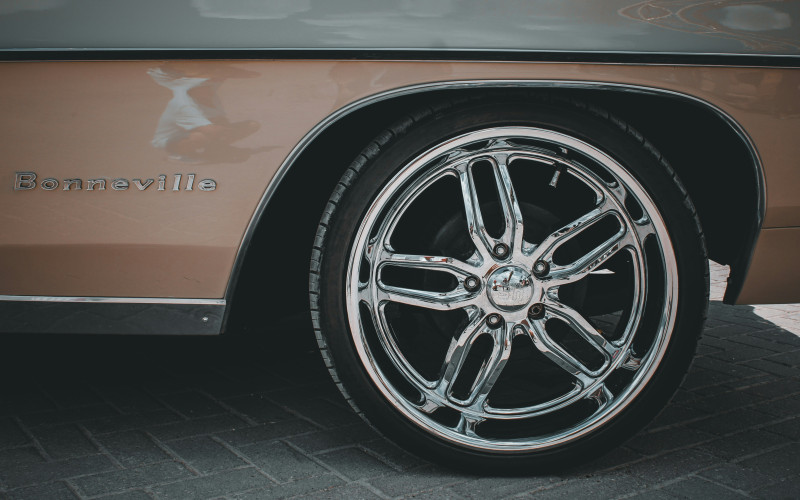
Big rims on cars can transform a classic from a charming relic into a head-turning showpiece. They also change how the car rides, steers, and holds its value. Before you spend money on a new set, you should understand exactly what bigger wheels do to a vintage machine.
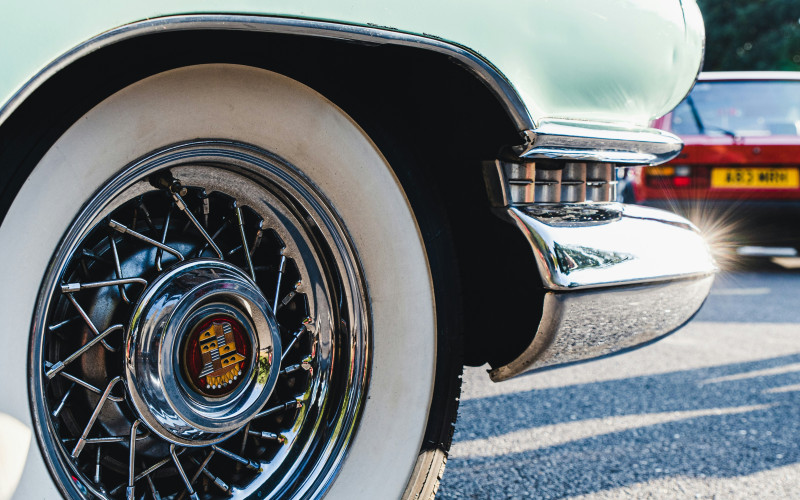
Owning a classic car means balancing two things at once: preserving its character and keeping it genuinely safe to drive. Nowhere does that balance matter more than with your braking system. A vintage engine rebuild or a fresh coat of paint might turn heads at a car show, but worn brakes can turn a Sunday drive into a real emergency.
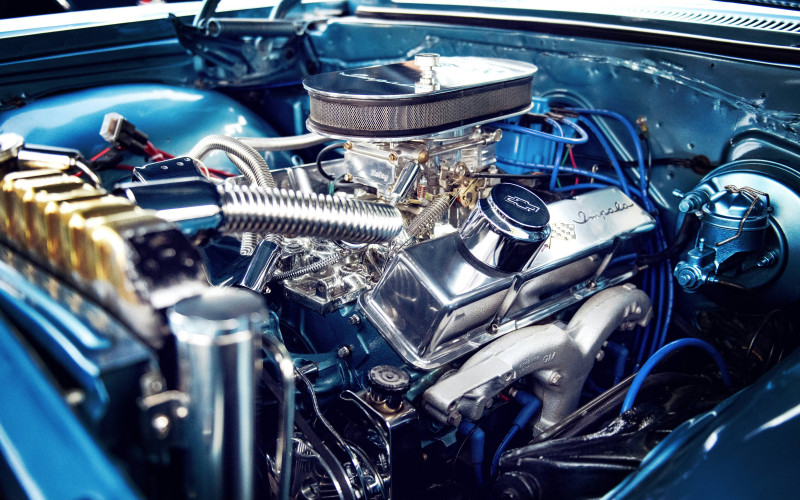
If you own a classic car, you already know that engine oil is the lifeblood of a vintage powertrain. Older engines tend to run tighter tolerances in some areas and looser ones in others, which means oil does more than lubricate. It cushions worn components, carries away heat, and protects metal surfaces that have seen decades of use. Knowing how to check engine oil the right way can be the difference between a weekend cruise and a costly rebuild.
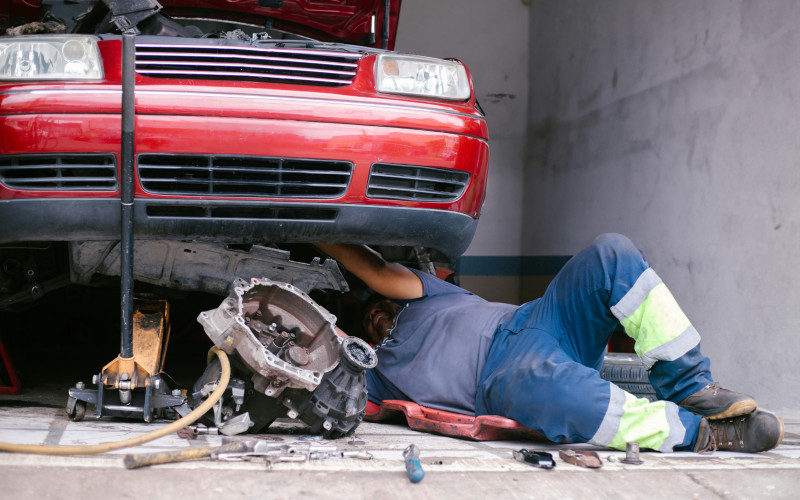
Whether you own a classic muscle car, a daily driver, or a weekend project vehicle, knowing how to use a jack for a car is an essential skill. A car jack allows you to safely lift your vehicle for tire changes, brake inspections, suspension work, and many other maintenance tasks. However, lifting a vehicle incorrectly can lead to serious damage or injuries.
