
How to Properly Care For Your Classic Car In Hot Summer Months
Classic cars turn heads in every season, but summer creates unique challenges that owners cannot ignore. High temperatures, intense sunlight, and long road trips put extra stress on older engines, cooling systems, paint, and interiors. A well-maintained classic car can handle summer heat with confidence, but neglect often leads to overheating, faded finishes, and expensive repairs.
If you have a classic car, proper care protects both performance and value. These proven maintenance tips will help keep your classic vehicle reliable, clean, and ready for every cruise, car show, or weekend drive.
Check the Cooling System Before Summer Starts
Your cooling system serves as the first line of defense against overheating. Older vehicles often run hotter than modern cars because they lack advanced cooling technology. That makes regular inspections even more important during summer.
Start by checking the radiator for leaks, corrosion, or clogged fins. Dirt and debris reduce airflow and limit cooling performance. Flush the coolant system if the fluid looks rusty or dirty. Fresh coolant helps regulate engine temperature and prevents internal corrosion.
Inspect radiator hoses for cracks, swelling, or soft spots. Rubber components weaken over time, especially in older vehicles that spend long periods in storage. Replace worn hoses before they fail on the road.
The thermostat, fan clutch, and water pump also deserve attention. Even a small issue in one of these components can cause major overheating problems in hot weather.
Many experienced restorers consider cooling system maintenance one of the most important car tips for summer because engine damage from overheating can become extremely costly.
Protect Your Paint From Sun Damage
Summer sun can ruin a classic car’s finish faster than many owners realize. UV rays fade paint, weaken clear coats, and dry out trim pieces. Dark-colored vehicles face even greater exposure because they absorb more heat.
Wash your car regularly to remove dirt, pollen, bug residue, and road grime. Contaminants left on the surface can bake into the paint under intense sunlight.
Apply a high-quality wax or ceramic coating to create a protective barrier against UV damage. This step helps preserve shine and reduces oxidation.
Whenever possible, park inside a garage or use a breathable car cover. Direct sunlight for extended periods slowly damages even professionally restored finishes.
At D&C Classic Garage, restoration specialists often recommend seasonal detailing as part of long-term vehicle preservation. Proper paint protection keeps a classic car looking authentic while protecting the investment behind the restoration work.
Watch Tire Pressure Carefully
Hot weather increases tire pressure because air expands as temperatures rise. Incorrect tire pressure affects handling, braking, and ride comfort. In severe cases, overheated tires can fail unexpectedly.
Check tire pressure at least once a month during summer. Always measure pressure when the tires are cool for accurate readings.
Classic cars sometimes sit for long periods between drives, which can create flat spots or dry rot. Inspect sidewalls for cracks and examine tread wear closely before taking longer trips.
Do not forget the spare tire. Many classic owners overlook it until an emergency happens.
Among the most practical summer car maintenance tips, proper tire care improves both safety and performance during hot-weather driving.
Keep the Battery Clean and Secure
Heat shortens battery life by accelerating internal chemical reactions. Older charging systems may also struggle during high temperatures, especially if the battery already shows signs of weakness.
Inspect battery terminals for corrosion and clean them carefully if buildup appears. Make sure the battery stays securely mounted because vibration can damage internal components.
Check voltage levels before road trips or car events. If the engine cranks slowly or electrical systems appear inconsistent, replace the battery before it fails completely.
Classic cars with upgraded sound systems, electric fans, or aftermarket accessories place even more strain on the charging system during summer.
Professional automotive wiring harness upgrades help improve electrical reliability and safety while supporting modern components more efficiently. Updated harness systems organize electrical connections, reduce voltage loss, and help prevent wiring deterioration caused by age and excessive heat. Restoration specialists at D&C Classic Garage recommend wiring inspections for classic vehicles experiencing recurring electrical issues or running multiple aftermarket accessories. Modernized wiring can significantly improve summer drivability while protecting sensitive electrical components from unnecessary strain. Contact us for assistance; we are ready to help.
Maintain Interior Surfaces and Upholstery
Classic interiors require extra protection during hot weather. Leather seats crack when exposed to excessive heat, while vinyl dashboards may warp or fade over time.
Use a windshield sunshade whenever you park outdoors. It reduces cabin temperatures and protects delicate interior materials.
Clean leather seats with quality conditioner to maintain softness and prevent drying. For vinyl or plastic trim, use UV-protectant products designed for automotive interiors.
Owners dealing with worn seats, damaged panels, or aging materials can learn more about how to fix car interior upholstery in our other guide. The guide explains how small upholstery issues often turn into larger restoration problems when heat and sunlight continue to stress already fragile materials.
Older glue materials and trim pieces become more vulnerable during summer heat, so avoid leaving windows fully closed for long periods in direct sunlight if possible.
Interior care remains one of the most overlooked tips for hot summer, yet preserving original interiors greatly affects a classic car’s long-term value.
Change Oil and Fluids Regularly
Engine oil works harder during summer because heat increases engine stress. Older engines especially benefit from fresh oil and proper viscosity.
Check oil levels frequently and look for signs of contamination or burning smells. High operating temperatures can thin old oil and reduce lubrication effectiveness.
Transmission fluid, brake fluid, and power steering fluid also deserve attention. Heat accelerates fluid breakdown and reduces performance.
Classic vehicles often develop minor leaks as seals age. Regular fluid inspections help identify small problems before they become major repairs.
Drive Your Classic Car Consistently
Many owners believe storing a classic car during extreme heat offers the best protection, but long periods without driving create separate issues. Fuel systems, seals, batteries, and tires all benefit from regular use.
Take your vehicle on short drives every few weeks to keep components lubricated and operating properly. Consistent driving helps prevent fuel varnish buildup and keeps the cooling system circulating correctly.
Avoid heavy traffic during the hottest part of the day when possible. Stop-and-go conditions increase engine temperatures quickly, especially in older vehicles with limited airflow.
Store Your Classic Car Properly During Heat Waves
Extreme summer heat can damage a vehicle even when it remains parked. If you plan to store your car for several weeks, prepare it correctly.
Fill the fuel tank to reduce moisture buildup and add fuel stabilizer if necessary. Disconnect the battery or use a battery maintainer. Inflate tires to the correct pressure and cover the vehicle with a breathable cover.
A climate-controlled garage offers the best protection for valuable classic vehicles. Stable temperatures help preserve paint, rubber, chrome, and upholstery.
D&C Classic Garage - Your Trusted Company
Summer offers some of the best opportunities to enjoy a classic car, but hot weather also requires proper care. Following these reliable car maintenance tips for hot weather helps protect your engine, paint, interior, tires, and electrical systems throughout the season.
With the right maintenance routine, your classic car can stay reliable, cool, and ready for every summer drive.
For expert help, D&C Classic Garage offers professional restoration, upholstery repair, wiring upgrades, and custom classic car services in Sparks, NV. Our team works closely with owners to preserve the style, performance, and value of every vehicle. Contact us at (775) 420-5553 to keep your classic car in top condition year-round.
FREQUENTLY ASKED QUESTIONS
How to prevent car from overheating in summer?
The best way to prevent overheating involves regular cooling system maintenance. Check coolant levels, inspect hoses, clean the radiator, and confirm the fan works correctly. Avoid heavy traffic during extreme heat and monitor the temperature gauge closely while driving.
Do tints make your car hotter?
No, quality window tints actually help reduce interior heat. Tinted windows block UV rays and limit heat buildup inside the cabin. This protection also helps preserve dashboards, seats, and interior trim in classic cars.
Should I warm up my car in the summer?
You only need a short warm-up period during summer. Let the engine idle for about 30 seconds before driving. Older carbureted engines may require slightly more time, but long idle periods waste fuel and create unnecessary heat.
How often should I wash a classic car during summer?
Wash your classic car every two weeks or sooner if it collects heavy dust, bug residue, or road grime. Frequent cleaning protects paint and helps you spot small issues early.
Is summer a good time for classic car restoration work?
Summer works well for many restoration projects because dry conditions help with paint curing and detailing. However, garages should remain properly ventilated and temperature-controlled during major restoration work.
RELATED POSTS
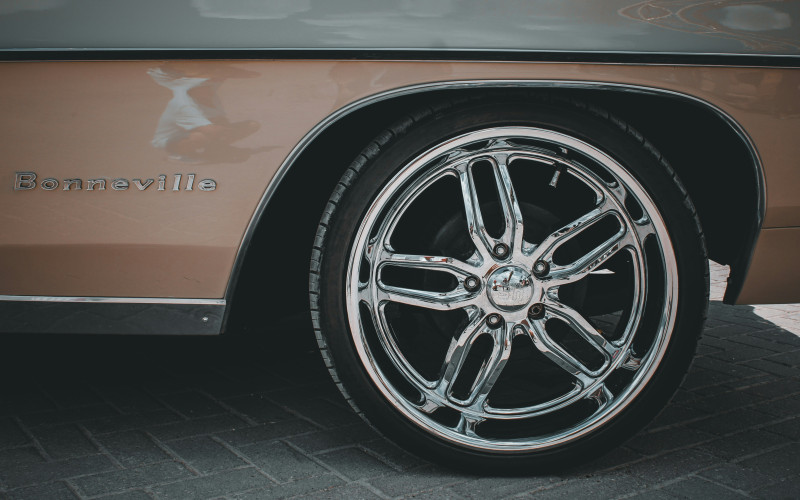
Big rims on cars can transform a classic from a charming relic into a head-turning showpiece. They also change how the car rides, steers, and holds its value. Before you spend money on a new set, you should understand exactly what bigger wheels do to a vintage machine.
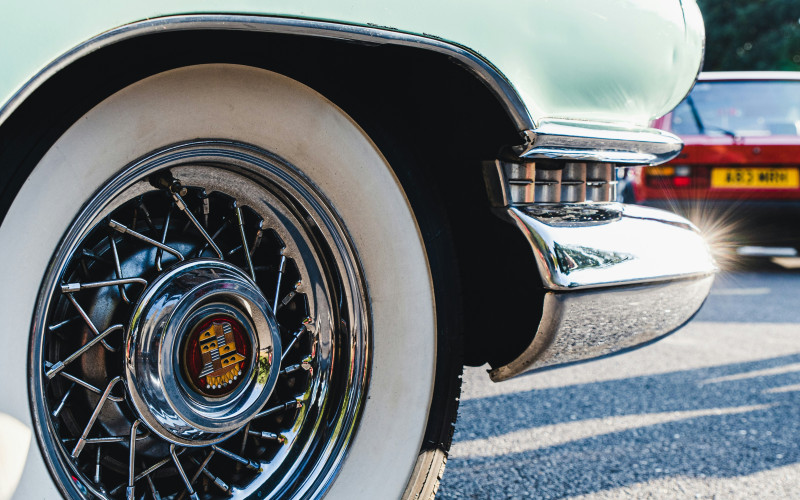
Owning a classic car means balancing two things at once: preserving its character and keeping it genuinely safe to drive. Nowhere does that balance matter more than with your braking system. A vintage engine rebuild or a fresh coat of paint might turn heads at a car show, but worn brakes can turn a Sunday drive into a real emergency.
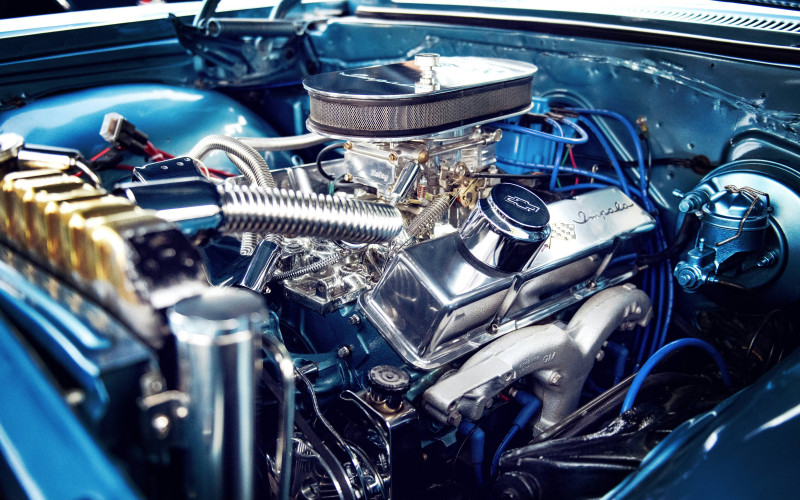
If you own a classic car, you already know that engine oil is the lifeblood of a vintage powertrain. Older engines tend to run tighter tolerances in some areas and looser ones in others, which means oil does more than lubricate. It cushions worn components, carries away heat, and protects metal surfaces that have seen decades of use. Knowing how to check engine oil the right way can be the difference between a weekend cruise and a costly rebuild.
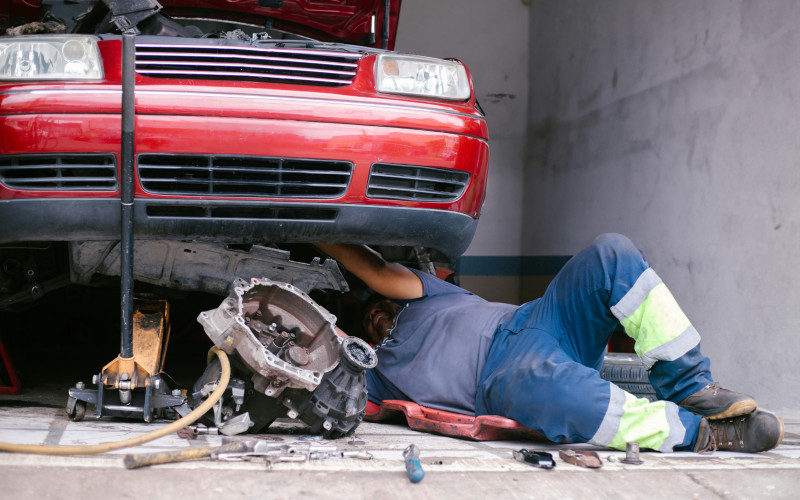
Whether you own a classic muscle car, a daily driver, or a weekend project vehicle, knowing how to use a jack for a car is an essential skill. A car jack allows you to safely lift your vehicle for tire changes, brake inspections, suspension work, and many other maintenance tasks. However, lifting a vehicle incorrectly can lead to serious damage or injuries.
