
How to Check Your Classic Car's Oil
If you own a classic car, you already know that engine oil is the lifeblood of a vintage powertrain. Older engines tend to run tighter tolerances in some areas and looser ones in others, which means oil does more than lubricate. It cushions worn components, carries away heat, and protects metal surfaces that have seen decades of use. Knowing how to check engine oil the right way can be the difference between a weekend cruise and a costly rebuild.
We walk you through the process step by step, using language that makes sense whether you're restoring your first muscle car or you've had a garage full of classics for years.
Why Checking Oil Matters More in Classic Cars
Modern vehicles often come with electronic oil sensors and dashboard warnings. Classic cars rarely have that luxury. Most pre-1990s vehicles rely entirely on you to physically check the oil level and condition. Skipping this habit is one of the fastest ways to shorten the life of a vintage engine.
Older engines also tend to burn or leak a bit of oil, even when running properly. Gaskets and seals age, and clearances shift slightly over the decades. That's why learning to check oil in a classic car engine from an earlier era isn't just a maintenance task. It's a form of respect for the machine.
What You'll Need
Before you get started, gather a few basic items:
- A clean rag or paper towels
- Your owner's manual (if available) for the correct oil type and capacity
- A flashlight, since older engine bays can be dim
- Gloves, if you prefer to keep your hands clean
None of this requires special tools. Checking oil is one of the simplest maintenance tasks you can perform, yet it remains one of the most overlooked.
If you notice other issues alongside oil problems, such as rough starts or unusual noises, our guide on signs your classic car needs a professional restoration explains the warning signs worth watching for.
Step-by-Step: How to Check Engine Oil in a Classic Car
1. Park on Level Ground
Always park your car on a flat surface before you check anything. A slope will give you a false reading, either too high or too low, and that can lead you to add oil you don't need or miss a real shortage.
2. Let the Engine Cool
Wait at least ten to fifteen minutes after driving. Checking oil while the engine is hot pushes oil upward into the block and passages, which throws off the dipstick reading. A cool engine gives oil time to settle back into the pan, giving you an accurate result.
3. Locate the Dipstick
In most classic cars, the dipstick sits toward the front or side of the engine, often marked with a bright handle or loop. If you're unfamiliar with your specific model, a quick look at the owner's manual or a search for your make and year will point you to the exact spot.
4. Pull, Wipe, and Reinsert
Pull the dipstick out fully and wipe it clean with your rag. This first pull doesn't give you a real reading, since oil clings unevenly to the stick. Once it's clean, slide it back in completely, then pull it out again for your actual reading.
5. Read the Level
Most dipsticks have two marks, often labeled "full" and "add" or represented by crosshatching. Your oil should sit somewhere between these two lines. If it's near or below the low mark, you'll need to add oil before driving.
6. Check the Color and Texture
This step matters even more for classic cars than modern ones. Healthy oil looks amber to light brown and feels smooth between your fingers. Oil that appears dark, gritty, or has a burnt smell may indicate it's overdue for a change, or that something deeper is happening inside the engine.
Common Mistakes Classic Car Owners Make
- Overfilling the oil. More isn't better. Overfilled oil can foam and lose its ability to lubricate properly.
- Ignoring oil type. Many classic engines benefit from oils formulated specifically for vintage vehicles, which contain additives modern oils have phased out.
- Skipping regular checks because the car "sits most of the time." Oil can break down even in storage, especially if moisture gets into the crankcase.
- Assuming a full dipstick means healthy oil. Level and condition are two different things. Always check both.
When to Call in a Professional
If you notice metal flecks, a strong burning smell, or oil that looks milky rather than amber, it's time to bring in an expert. These signs can point to deeper mechanical issues, including head gasket failure or coolant contamination, that go far beyond a simple oil top-off.
This is where a professional team that understands vintage vehicles becomes invaluable. D&C Classic Garage has built its reputation on restoring and maintaining classic cars with the kind of attention that mass-market shops simply don't offer. Our technicians understand the quirks of older engines, from correct oil weights to the subtle signs that something needs attention before it becomes a major repair. D&C Classic Garage treats every classic car with the care it deserves - contact us to start a new project with us.
FREQUENTLY ASKED QUESTIONS
How often should I check the oil in a classic car?
Check it every two to three weeks if you drive occasionally, and always before any long drive or car show. Vintage engines can develop leaks or burn oil faster than modern ones, so frequent checks help you catch issues early.
Can I use modern synthetic oil in my classic car?
It depends on your engine's design and seals. Many classic car owners prefer conventional or vintage-formulated oils because they contain zinc additives that protect older camshafts and lifters. When in doubt, ask a specialist like D&C Classic Garage before switching oil types.
Why does my classic car's oil look darker than expected?
Some darkening is normal, especially with older oil formulations. However, very dark or gritty oil often signals it's time for a change, or it may point to internal wear that needs a professional look.
What if the dipstick shows no oil at all?
Do not start the engine. Add oil gradually, checking the level after each addition, and inspect for leaks. If the oil disappeared without a visible leak, have a mechanic check for internal burning or a possible gasket issue.
Is checking oil different for classic cars versus modern vehicles?
Yes. Classic cars rarely have digital sensors, so manual checks are essential. Older engines also tend to be more sensitive to oil type, viscosity, and condition, making regular manual inspection even more important.
RELATED POSTS
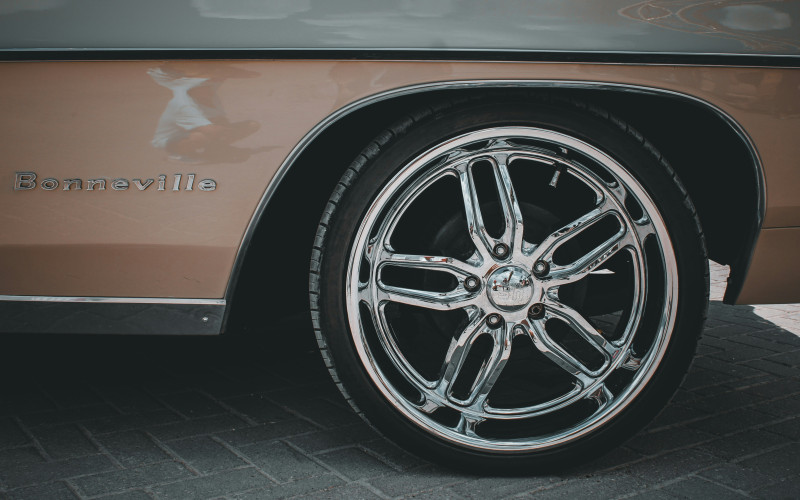
Big rims on cars can transform a classic from a charming relic into a head-turning showpiece. They also change how the car rides, steers, and holds its value. Before you spend money on a new set, you should understand exactly what bigger wheels do to a vintage machine.
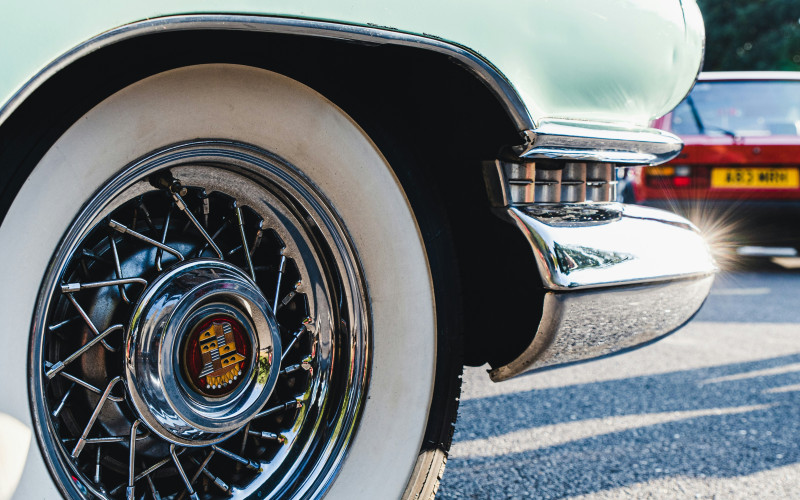
Owning a classic car means balancing two things at once: preserving its character and keeping it genuinely safe to drive. Nowhere does that balance matter more than with your braking system. A vintage engine rebuild or a fresh coat of paint might turn heads at a car show, but worn brakes can turn a Sunday drive into a real emergency.
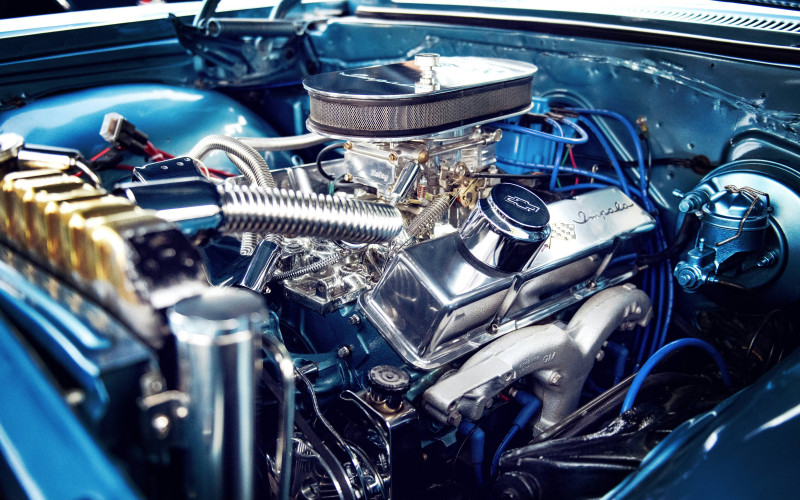
If you own a classic car, you already know that engine oil is the lifeblood of a vintage powertrain. Older engines tend to run tighter tolerances in some areas and looser ones in others, which means oil does more than lubricate. It cushions worn components, carries away heat, and protects metal surfaces that have seen decades of use. Knowing how to check engine oil the right way can be the difference between a weekend cruise and a costly rebuild.
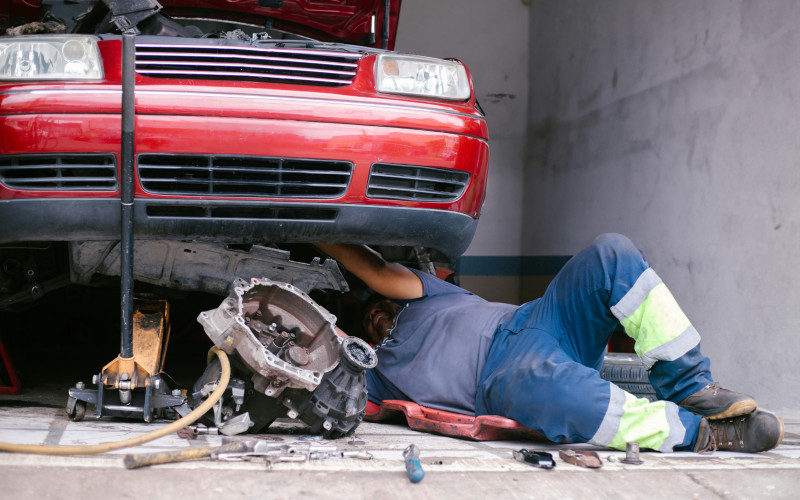
Whether you own a classic muscle car, a daily driver, or a weekend project vehicle, knowing how to use a jack for a car is an essential skill. A car jack allows you to safely lift your vehicle for tire changes, brake inspections, suspension work, and many other maintenance tasks. However, lifting a vehicle incorrectly can lead to serious damage or injuries.
