
How to Protect Classic Car Paint and Interiors from UV Damage
Classic cars turn heads for a reason. Their paint, chrome, leather, and original trim capture the design and craftsmanship of another era. However, sunlight can quietly destroy those details over time. UV rays fade paint, dry out leather, crack dashboards, and weaken vinyl interiors. If you want your investment to stay beautiful and valuable, you need a smart plan for long-term protection.
Learning how to protect car paint from sun exposure is one of the most important parts of classic car ownership. The same care also applies to the cabin, where UV damage often appears even faster than on the exterior.
The practical strategies we describe below will help you preserve your classic vehicle for years to come.
Why UV Damage Is a Serious Problem for Classic Cars
Modern vehicles usually include factory UV-resistant clear coats and interior materials designed to handle long exposure to sunlight. Classic cars often lack those protections. Older paint systems and vintage interior materials react more aggressively to heat and UV radiation.
Over time, sunlight can cause:
- Paint fading and oxidation
- Clear coat peeling
- Dull or chalky finishes
- Cracked dashboards
- Brittle vinyl and rubber trim
- Dry, faded leather seats
- Warped interior panels
Dark-colored classics face even greater risk because darker paint absorbs more heat. Cars stored outdoors in southern states often experience damage much faster than garage-kept vehicles.
Wash Your Classic Car the Right Way
Clean paint lasts longer because dirt, bird droppings, and pollution intensify sun damage. Proper washing removes contaminants before they break down the surface. If you want more long-term maintenance strategies, check out care for car paint and chrome all year round for additional expert tips.
Use pH-balanced automotive soap instead of household cleaners. Harsh detergents strip away protective wax and dry the finish. Wash your car with microfiber mitts and dry it using soft microfiber towels to avoid scratching the paint.
Try to wash your car in shaded areas or during cooler hours. Direct sunlight can bake soap residue onto the surface and leave water spots.
A clean surface also allows protective products to bond properly.
Apply High-Quality Wax Regularly
Many classic car owners ask if wax protects car paint from the sun, especially in the summer months, and the answer is yes. Wax creates a sacrificial layer between the paint and UV rays.
Carnauba wax remains popular among classic car enthusiasts because it delivers a rich shine and warm depth that looks excellent on vintage finishes. Synthetic sealants usually last longer and offer stronger UV protection.
For the best results:
- Apply wax every 2 to 3 months
- Use products with UV inhibitors
- Avoid cheap waxes with heavy fillers
- Always prep the surface before application
Wax will not stop all UV damage forever, but it significantly slows fading and oxidation. If you want to protect your classic car from sun exposure, consistent waxing should become part of your maintenance routine.
Ceramic Coatings Offer Long-Term Protection
Ceramic coatings have become extremely popular among collectors and restoration experts. These coatings create a durable protective layer that bonds directly to the paint surface.
Unlike traditional wax, ceramic coatings resist heat, UV rays, contaminants, and water for years instead of months.
Benefits include:
- Strong UV resistance
- Easier cleaning
- Enhanced gloss
- Reduced oxidation
- Better protection against contaminants
Professional installation usually delivers the best results because the paint requires proper correction and preparation before coating.
Owners who want advanced protection often combine ceramic coatings with careful indoor storage.
Keep Your Car Covered Whenever Possible
Storage conditions make a massive difference in paint preservation. A climate-controlled garage offers the best defense against UV exposure and temperature swings.
If indoor storage is unavailable, use a breathable, high-quality car cover designed for outdoor use. Cheap covers can trap moisture and scratch paint surfaces.
Choose covers that include:
- UV-resistant fabric
- Soft inner lining
- Breathable material
- Secure fitment
Never place a cover on a dirty car because trapped debris can damage the paint.
Reducing direct sunlight remains one of the simplest ways to protect car paint from UV damage.
High summer temperatures can accelerate paint oxidation, dry out leather interiors, and increase dashboard cracking. Owners who want more seasonal protection tips should read our other guide about how to care for classic cars in summer for additional expert advice from our team.
Install UV-Protective Window Tint
Window tint does more than improve appearance. Quality automotive tint blocks a large percentage of harmful UV rays before they reach the interior.
Classic car interiors contain materials that often fade faster than exterior paint. Dashboards, seats, steering wheels, carpets, and door panels all suffer under constant sun exposure.
UV-protective tint helps:
- Reduce interior fading
- Lower cabin temperature
- Protect leather and vinyl
- Improve driving comfort
Note: Check local regulations before choosing tint darkness because laws vary by state.
Use Interior Conditioners and Protectants
Interior materials need regular hydration and protection. Leather, vinyl, plastic, and rubber all break down faster under heat and UV exposure.
Use interior products specifically designed for automotive materials. Avoid greasy products that leave shiny residue because they attract dust and may damage surfaces over time.
Leather conditioners help prevent cracking and stiffness, while UV protectants shield dashboards and trim pieces from fading.
Apply protectants every few weeks if the car sees regular sun exposure.
Park Strategically
Small habits can greatly reduce UV damage over time. Whenever possible:
- Park in covered areas
- Use parking garages
- Avoid direct afternoon sunlight
- Turn the windshield away from the sun
- Use windshield sunshades
These simple choices lower interior temperatures and reduce long-term wear.
Owners often focus heavily on paint while forgetting the cabin. However, replacing original interior parts can become far more expensive and difficult than repainting a panel.
Schedule Paint Correction Before Damage Gets Worse
Light oxidation and fading can often be corrected if caught early. Professional paint correction removes surface imperfections and restores shine through careful polishing.
Restoration experts, like D&C Classic Garage, use specialized compounds and polishing systems to revive older finishes without damaging the paint.
If you notice:
- Dull paint
- Hazy clear coat
- Swirl marks
- Minor fading
Address the issue early before permanent damage develops.
Professional Restoration Makes a Difference
Some UV damage goes beyond DIY solutions. Severe fading, cracked interiors, and oxidized finishes may require professional restoration work.
That is where experienced restoration specialists become essential.
D&C Classic Garage specializes in full and partial classic car restoration services with a personalized approach that many large restoration shops cannot match. Our team works closely with owners in Sparks, NV, to preserve the authenticity, appearance, and value of vintage vehicles.
From custom painting and refinishing to complete interior restoration, we help collectors protect their investment while maintaining the original character of each vehicle.
Classic cars require careful craftsmanship, especially when restoring sun-damaged surfaces. Experienced restoration professionals understand how to match vintage paint colors, repair delicate trim, and preserve factory styling details. Our team is here to help. Don’t hesitate to contact us at (775) 420-5553 or via the contact form.
FREQUENTLY ASKED QUESTIONS
Does wax protect car paint from the sun?
Yes. Quality automotive wax helps shield paint from harmful UV rays by creating a protective barrier. Wax also reduces oxidation and fading. However, wax wears down over time, so regular application remains important.
How to prevent sun damage on a car?
The best ways include garage storage, regular waxing, ceramic coatings, UV-protective window tint, interior conditioners, and covered parking whenever possible. Consistent maintenance offers the strongest protection.
How often should I wax a classic car?
Most classic cars benefit from waxing every 2 to 3 months. Vehicles exposed to intense sunlight or outdoor storage may require more frequent protection.
Can sunlight permanently damage classic car interiors?
Yes. Prolonged UV exposure can permanently crack dashboards, fade upholstery, and weaken vinyl or leather materials. Early protection helps prevent costly restoration work.
What color cars fade the fastest in sunlight?
Dark colors like black, red, and dark blue usually fade faster because they absorb more heat and UV radiation than lighter colors.
RELATED POSTS
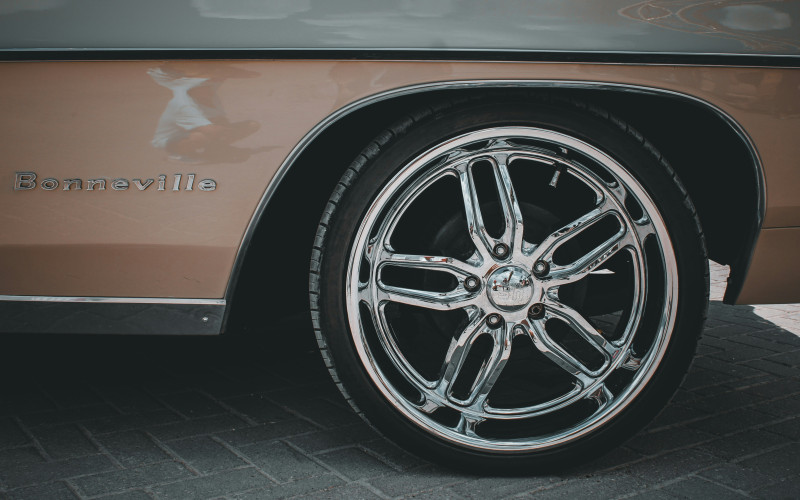
Big rims on cars can transform a classic from a charming relic into a head-turning showpiece. They also change how the car rides, steers, and holds its value. Before you spend money on a new set, you should understand exactly what bigger wheels do to a vintage machine.
Owning a classic car means balancing two things at once: preserving its character and keeping it genuinely safe to drive. Nowhere does that balance matter more than with your braking system. A vintage engine rebuild or a fresh coat of paint might turn heads at a car show, but worn brakes can turn a Sunday drive into a real emergency.
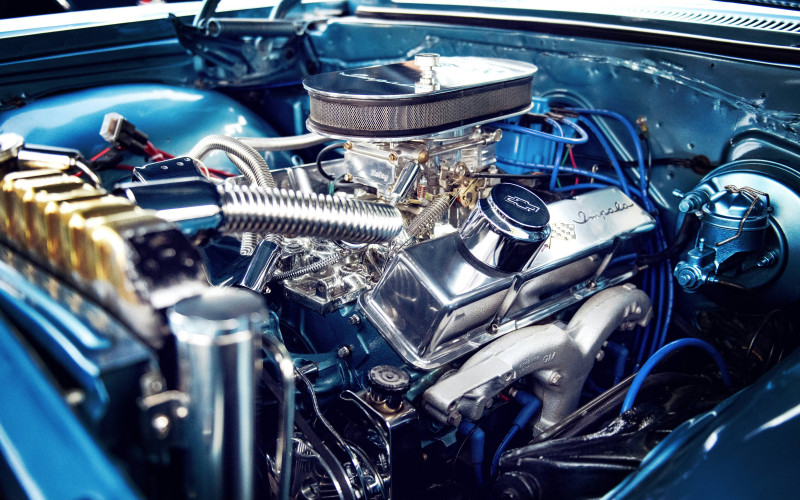
If you own a classic car, you already know that engine oil is the lifeblood of a vintage powertrain. Older engines tend to run tighter tolerances in some areas and looser ones in others, which means oil does more than lubricate. It cushions worn components, carries away heat, and protects metal surfaces that have seen decades of use. Knowing how to check engine oil the right way can be the difference between a weekend cruise and a costly rebuild.
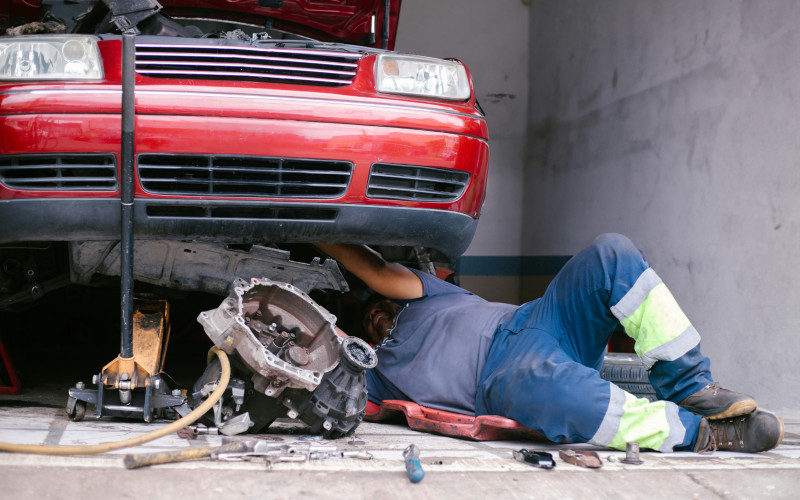
Whether you own a classic muscle car, a daily driver, or a weekend project vehicle, knowing how to use a jack for a car is an essential skill. A car jack allows you to safely lift your vehicle for tire changes, brake inspections, suspension work, and many other maintenance tasks. However, lifting a vehicle incorrectly can lead to serious damage or injuries.
