What Is Rotisserie Restoration and Why Is It the Gold Standard in Classic Car Rebuilds?
Classic car enthusiasts often search for the most thorough and precise way to rebuild their vehicles. Among all available methods, rotisserie restoration stands out as the gold standard. It delivers unmatched access, accuracy, and long-term value. If you’ve ever wondered why professionals rely on this approach, this guide breaks it down in clear, practical terms.
What Is Rotisserie Restoration?
Rotisserie restoration refers to a full vehicle rebuild process where the car body is mounted onto a specialized rotating frame. This equipment allows technicians to spin the entire body 360 degrees, making every part of the vehicle accessible.
Unlike traditional restoration methods, where the car sits on a lift or stands, a rotisserie body car setup exposes areas that are usually hidden or difficult to reach. This includes the undercarriage, frame rails, and internal structural components.
This level of access transforms the restoration process. It allows mechanics to inspect, clean, repair, and refinish every inch of the vehicle with precision.
Why Rotisserie Restoration Is Considered the Gold Standard?
Not all restorations deliver the same results. A basic rebuild may improve appearance, but it often leaves hidden issues unresolved. Rotisserie restoration goes much deeper.
Complete Access to the Entire Vehicle
When a car sits on a lift, gravity and positioning limit access. A car restoration rotisserie eliminates those limits. Technicians can rotate the body to any angle, making it easy to work on the underside as comfortably as the top.
This full access ensures that no area gets ignored. Rust, corrosion, and structural weaknesses often hide underneath the car. A rotisserie body car setup brings those issues into plain view.
Superior Rust Removal and Prevention
Rust is the biggest enemy of classic cars. Many older vehicles suffer from decades of exposure to moisture, road salt, and dirt. Surface-level repairs often miss deeper corrosion.
With rotisserie restoration, technicians can strip the car down to bare metal. They can sandblast or chemically treat every surface, including hard-to-reach areas. This process removes rust completely instead of covering it up.
After removal, professionals apply protective coatings, primers, and sealants evenly across the entire body. This step significantly extends the lifespan of the vehicle.
Precision Repairs and Fabrication
Structural integrity matters just as much as appearance. A bent frame or weakened support can affect safety and performance.
A car restoration rotisserie allows experts to inspect the chassis from all angles. They can identify damage, measure alignment, and make precise repairs. If needed, they fabricate new metal sections to replace damaged parts.
This level of accuracy ensures that the restored vehicle meets or exceeds original factory standards.
High-Quality Paint and Finishing
Paint quality plays a huge role in a car’s final look. In traditional setups, uneven angles can lead to inconsistent paint coverage, drips, or missed spots.
A rotisserie body car setup solves this problem. Technicians can rotate the vehicle to apply paint evenly across all surfaces. This results in a smoother, more consistent finish.
They also gain better control when applying undercoating, seam sealers, and protective layers. Every surface receives proper treatment, which improves both appearance and durability.
If you want to maintain that showroom-quality finish long after your restoration is complete, we’ve also created a helpful resource. Check out our guide on how to care for classic car paint and chrome to learn simple, effective ways to protect your investment and keep your vehicle looking its best for years to come.
The Rotisserie Restoration Process Step by Step
Understanding the process helps you appreciate the level of detail involved in rotisserie restoration.
1. Complete Disassembly
Technicians begin by stripping the car down to its bare shell. They remove the engine, transmission, suspension, interior, and wiring. Only the body remains.
This step ensures that nothing interferes with the restoration process.
2. Mounting on the Rotisserie
Next, they secure the body onto a car restoration rotisserie. The mounting points keep the shell stable while allowing full rotation.
At this stage, the vehicle becomes ready for detailed work.
3. Cleaning and Stripping
Professionals remove old paint, rust, grease, and debris. They often use sandblasting or media blasting to reach every corner.
This step reveals the true condition of the metal.
4. Metal Repair and Fabrication
Technicians repair or replace damaged sections. They weld in new panels, reinforce weak areas, and restore structural integrity.
Because of the rotisserie setup, they can work with precision and comfort.
5. Surface Preparation
After repairs, they smooth surfaces, apply primers, and prepare the body for paint. Proper preparation ensures a flawless finish.
6. Painting and Coating
They apply paint, clear coat, and protective layers evenly across the entire vehicle. The ability to rotate the body ensures consistent coverage.
7. Reassembly
Finally, technicians reinstall all components. They rebuild the engine, restore the interior, and ensure everything functions correctly.
The result is a fully restored classic car that looks and performs like new.
Benefits for Classic Car Owners
Choosing a rotisserie restoration service offers several clear advantages for car owners.
Long-Term Value: A properly restored vehicle holds its value better over time. Buyers recognize the quality of a rotisserie body car and often pay a premium for it.
Improved Safety: Structural repairs performed during the process enhance safety. The car becomes more reliable on the road.
Authentic Restoration: Professionals can match original specifications more accurately. This matters for collectors who want authenticity.
When Should You Choose Rotisserie Restoration?
Not every project requires this level of detail. However, rotisserie restoration makes sense in several situations:
- The car has extensive rust or structural damage
- You want a show-quality finish
- You plan to keep the car long-term
- You aim to maximize resale value
If your goal involves a quick cosmetic upgrade, a simpler method may work. But if you want the best possible outcome, a car restoration rotisserie approach delivers unmatched results.
Rotisserie Restoration Service by D&C Classic Garage
At D&C Classic Garage, we specialize in delivering high-quality classic car restorations with a focus on precision, transparency, and craftsmanship. Our team in Sparks, NV, understands that every vehicle has a story, and we work closely with each client to bring that vision to life.
We take pride in offering detailed rotisserie restoration services using advanced car restoration rotisserie equipment. This allows us to restore vehicles from the ground up, ensuring no detail gets overlooked.
Unlike large production shops, we provide a more personal experience. We communicate clearly, involve you in key decisions, and treat your car as if it were our own. From the initial inspection to the final polish, we focus on quality, durability, and authenticity.
If you’re ready to transform your classic vehicle into a true showpiece, our team is here to help you achieve that vision with confidence. Contact us at (775) 420-5553, and we'll be happy to help.
FREQUENTLY ASKED QUESTIONS
What is a car restoration rotisserie used for?
A car restoration rotisserie holds the car body securely while allowing it to rotate 360 degrees. This setup gives technicians full access to every part of the vehicle, especially the underside, which is often difficult to reach with standard tools.
Is rotisserie restoration worth the cost?
Yes, if you want long-term value and top-quality results. Rotisserie restoration eliminates hidden rust, improves structural integrity, and delivers a higher-quality finish. It often reduces future repair costs.
How long does a rotisserie restoration take?
The timeline depends on the car’s condition and the level of detail required. Most full restorations take several months to over a year. The process takes time because technicians focus on precision and quality.
Can any car become a rotisserie body car?
Most classic vehicles can undergo this process. However, the car must have enough structural integrity to mount safely onto a rotisserie. Experienced shops evaluate this before starting the project.
Does rotisserie restoration increase resale value?
In many cases, yes. Buyers recognize the quality and thoroughness of a rotisserie body car rebuild. This often leads to higher resale prices compared to standard restorations.
RELATED POSTS
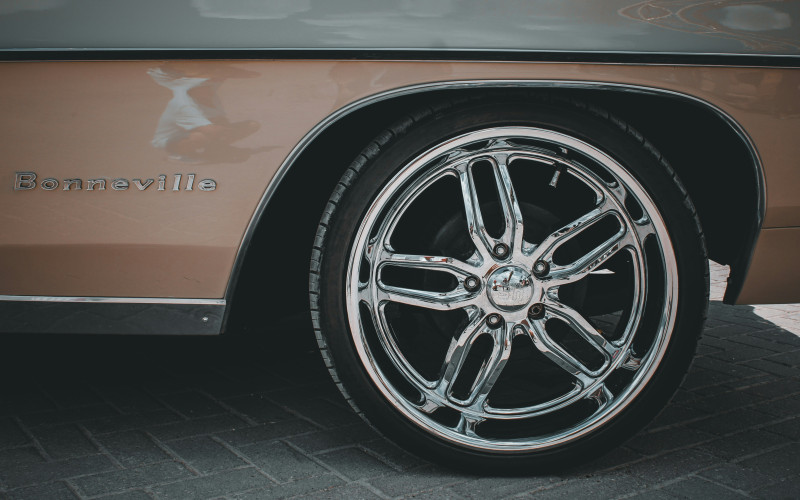
Big rims on cars can transform a classic from a charming relic into a head-turning showpiece. They also change how the car rides, steers, and holds its value. Before you spend money on a new set, you should understand exactly what bigger wheels do to a vintage machine.
Owning a classic car means balancing two things at once: preserving its character and keeping it genuinely safe to drive. Nowhere does that balance matter more than with your braking system. A vintage engine rebuild or a fresh coat of paint might turn heads at a car show, but worn brakes can turn a Sunday drive into a real emergency.
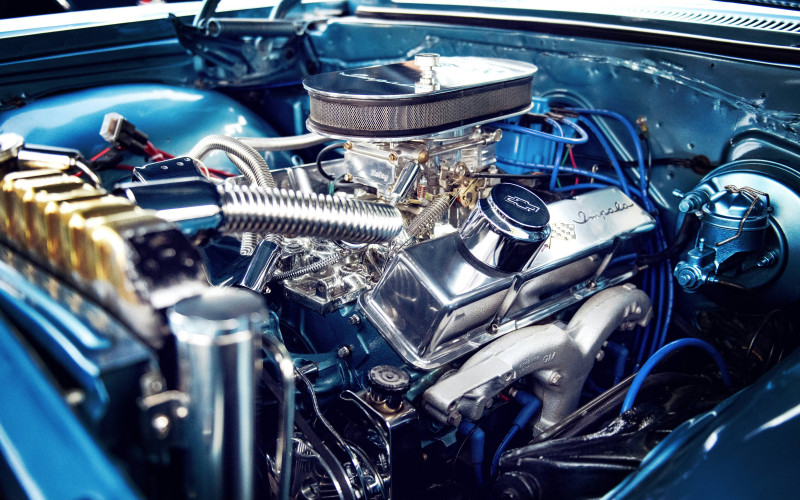
If you own a classic car, you already know that engine oil is the lifeblood of a vintage powertrain. Older engines tend to run tighter tolerances in some areas and looser ones in others, which means oil does more than lubricate. It cushions worn components, carries away heat, and protects metal surfaces that have seen decades of use. Knowing how to check engine oil the right way can be the difference between a weekend cruise and a costly rebuild.
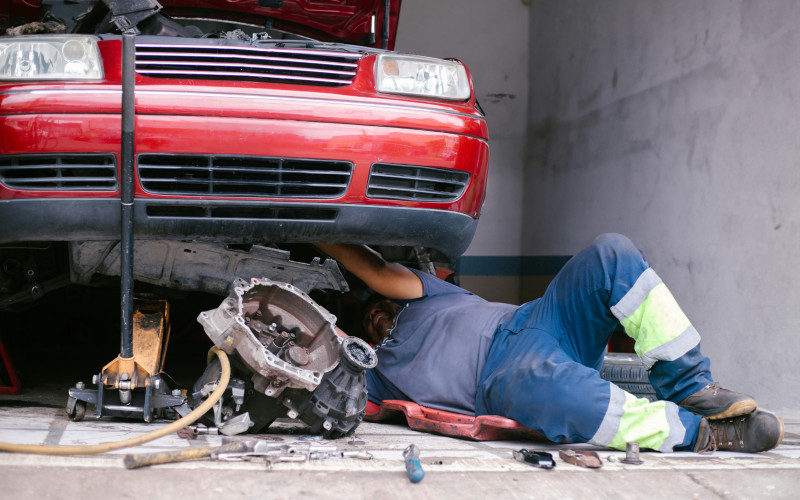
Whether you own a classic muscle car, a daily driver, or a weekend project vehicle, knowing how to use a jack for a car is an essential skill. A car jack allows you to safely lift your vehicle for tire changes, brake inspections, suspension work, and many other maintenance tasks. However, lifting a vehicle incorrectly can lead to serious damage or injuries.
